

Nagano: A Winter Tale in White
Nagano in winter feels like stepping into another world. The mountains rise in solemn silence, their peaks softened by endless layers of snow. Powder drifts across valleys and forests, settling on rooftops and temple gates, turning the landscape into a living canvas of white. This is Japan’s Snow Country, a place where winter is not just a season but a way of life.
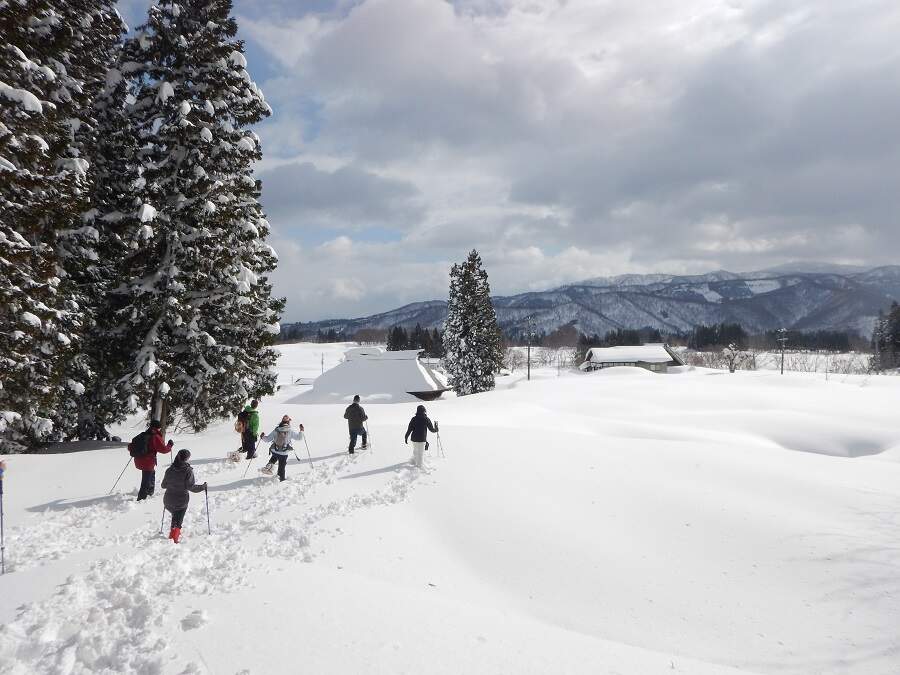
The journey begins with the Shinkansen gliding out of Tokyo. One moment you are surrounded by neon lights and the hum of the metropolis, the next you are watching the scenery transform into rolling hills and frosted plains. By the time the train reaches Nagano, the air is crisp and the silence feels almost sacred. It is as if the snow itself has hushed the world.
Hakuba Valley is often the first name that comes to mind. It is vast, dramatic, and carries the legacy of the Winter Olympics. Skiers carve their way down slopes that seem to stretch forever, while snowboarders chase the thrill of untouched powder. Yet Hakuba is more than sport. It is a place where evenings are filled with lantern light and the quiet camaraderie of travellers who share the same love for the mountains.
Nozawa Onsen tells a different story. Here, the snow wraps itself around a village that has lived with winter for centuries. Wooden houses lean into narrow streets, steam rises from public baths, and the rhythm of daily life continues as it always has. Skiers glide through gentle runs, but the true magic lies in the atmosphere. It is a town where tradition and snow meet, where every corner whispers of history.
Shiga Kogen stretches across a wide plateau, its slopes linked like threads in a tapestry. You can ski from one area to another, crossing forests and ridges, never quite reaching the end. The scale is impressive, but what lingers is the sense of freedom. The snow here feels endless, the horizon always inviting you to go further.
Madarao is beloved for its tree runs. Locals call it Madapow, a nod to the powder that gathers between the pines. There is something playful about Madarao. It is less polished than Hakuba, less traditional than Nozawa, but it carries a spirit of adventure. Riders weave through trees, laughter echoing in the cold air, and the mountain feels alive with possibility.
Temples and shrines take on a new beauty under snow. Matsumoto Castle, with its black walls and white roofs, looks like a painting come to life. Togakushi Shrine, hidden among cedar trees, feels even more mystical when the path is lined with snow. These places remind you that Nagano is not only about sport but about spirit.
Families find joy in the balance of activity and stillness. Children sled down gentle slopes, their laughter carrying through the cold air. Couples walk hand in hand through snowy streets, pausing to admire lanterns glowing against the night. Travellers discover that winter here is not rushed. It invites you to slow down… to breathe… to listen.
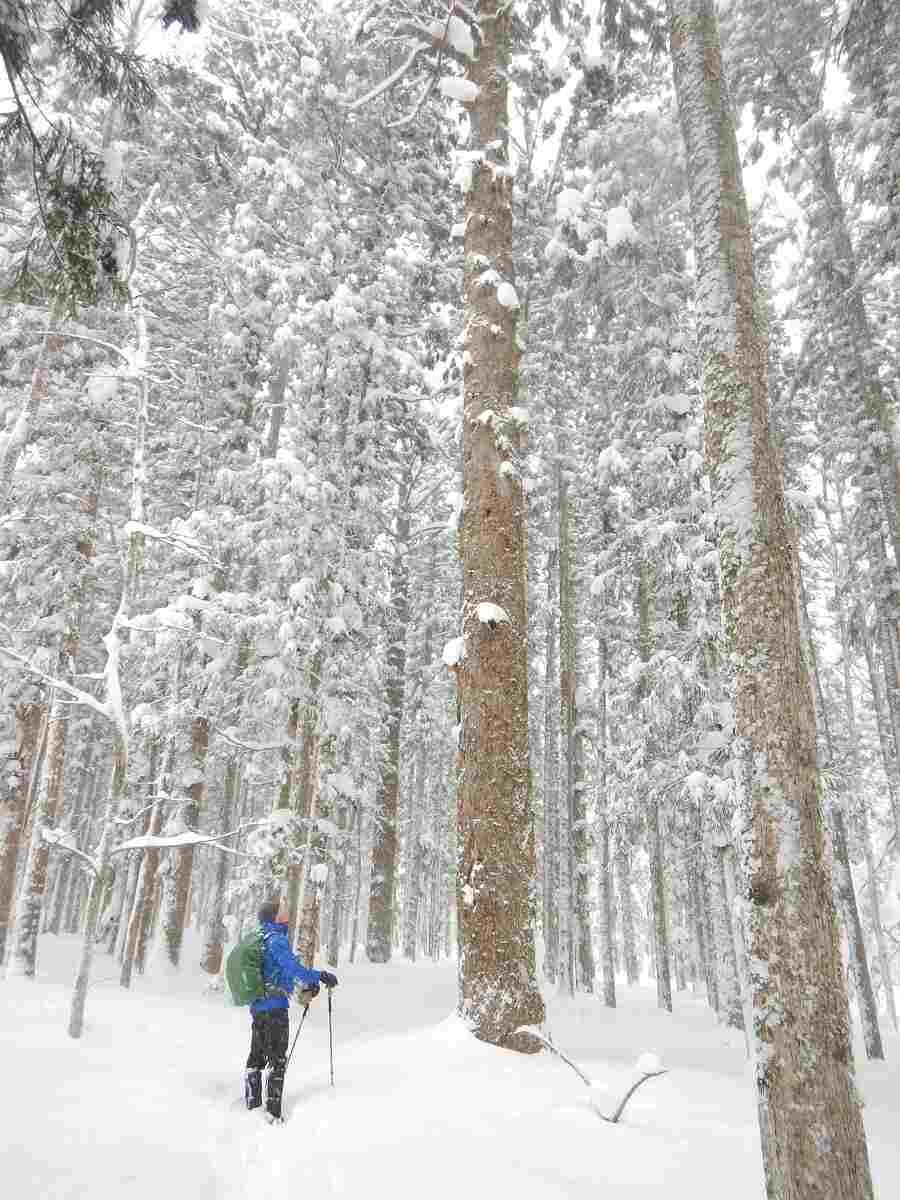
The silence is perhaps the most poetic part of Nagano. Step away from the lifts, wander into a forest path, and you will hear it. The hush of snow falling, the creak of branches, the distant sound of skis on powder. It is a silence that feels alive, a reminder that winter is not empty but full of presence.
Nagano is more than a destination. It is a story written in snow, a tale of mountains and villages, of tradition and adventure. It is a place where the modern world meets timeless rhythms, where travellers find both exhilaration and peace.

