

Leaders Talk: Innovation or Human Hospitality?
In today’s hotel world, the buzzwords are all about tech. It’s clever stuff, no doubt, and it makes operations slicker than ever. But does innovation really trump the warmth of human hospitality? Across Asia, resorts and hotels are experimenting with both ends of the spectrum. Some lean into futuristic gadgets, while others double down on the timeless art of a smile, a conversation, and a sense of belonging. Guests might enjoy the convenience of tapping a screen, but many still crave the feeling of being genuinely looked after. In this issue, we invited leaders in the hospitality industry in Asia to explore this tension — innovation that enhances, but never replaces, the human touch. It’s a debate worth having, and one that could shape the way we travel, stay, and connect in the years ahead.
Michael Golden
General Manager of Grand Hyatt Tokyo
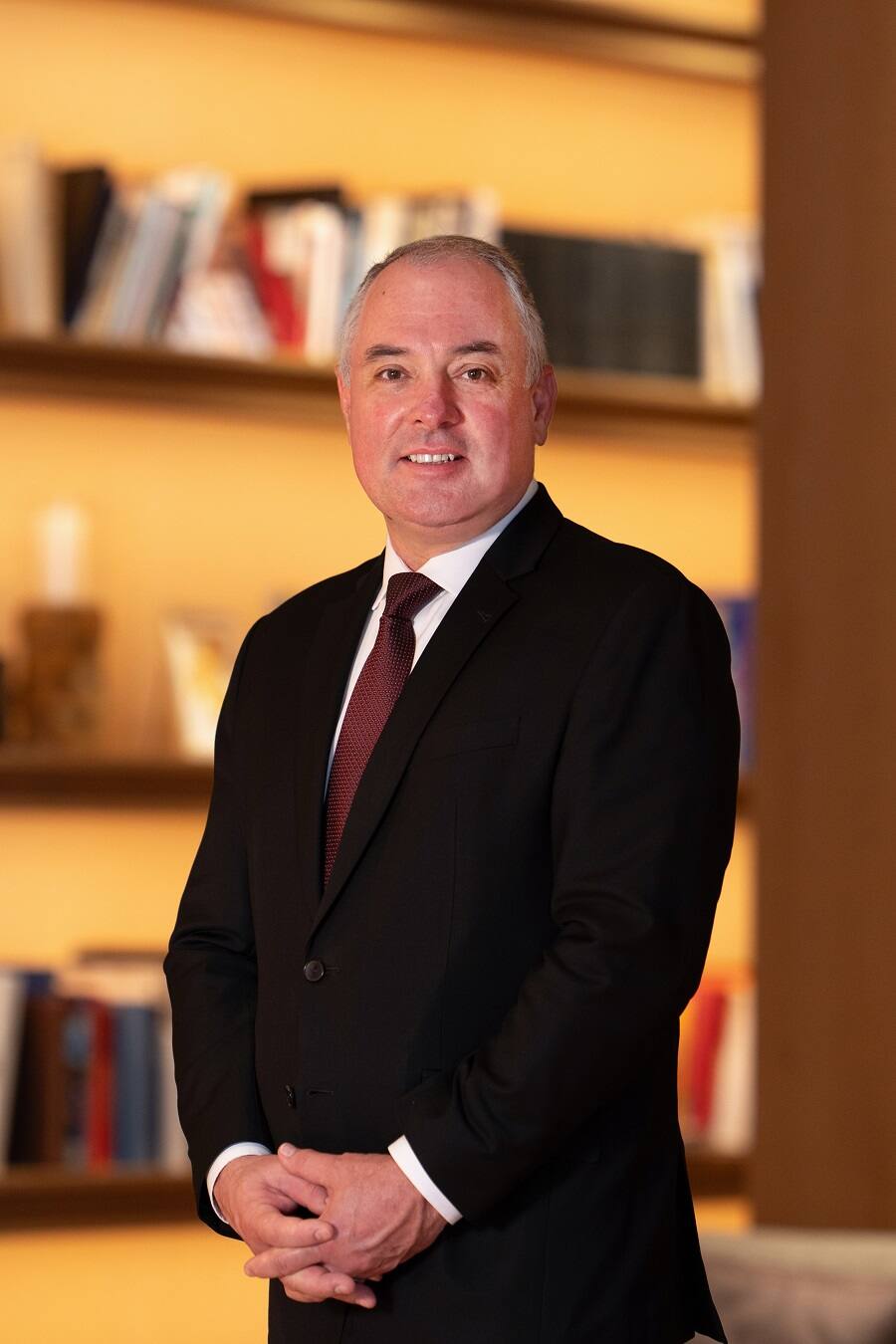
Q: How do you personally define “innovation” in the hospitality world?
For me, innovation in hospitality is not simply about adopting the latest technology. It is about finding better ways to create meaningful, memorable experiences for our guests. At Grand Hyatt Tokyo, that might mean using projection mapping to transform an event, or creating destination-led culinary experiences that connect guests more deeply with Tokyo. Whether through technology, cuisine, design or service, innovation should always enhance the guest journey. It should make each stay feel more personal, seamless and emotionally resonant.
Q: How do you train your team to balance efficiency with empathy?
I often remind our team that efficiency is not the destination; it is an enabler. Better processes and smarter technology should give our colleagues more time and awareness to care for guests in a personal way. We train our teams to be adaptable, empowered and attentive, so they can respond not only to what a guest asks for, but also to what they may need. Our Grand Club is a good example: personalized check-in, dedicated concierge service and thoughtful recognition create both operational ease and a warmer arrival experience.
Q: What’s one “old school” hospitality tradition you’ll never replace with tech?
Without question, it is omotenashi, Japan’s spirit of sincere hospitality. Technology can make us faster and more informed, but it cannot replace genuine care, intuition or the ability to make someone feel truly seen. Many of our guests have been returning to Grand Hyatt Tokyo for years. What they remember most is not a system or a screen, but the relationships they have built with our colleagues, the preferences remembered, and the small gestures that make each stay feel personal.
Q: How do you see AI and automation shaping hospitality in Asia over the next five years?
AI and automation will significantly enhance the invisible side of luxury hospitality, from reservations and translation to forecasting, workflow and personalization. Used well, these tools will remove friction and help us make better decisions. But the real opportunity is not to replace people; it is to empower them. By reducing repetitive tasks, AI gives our colleagues more space to focus on what humans do best: building relationships, understanding cultural nuance, showing empathy and creating moments that feel genuinely grand.
Jirarat Ninpradub
General Manager of Le Méridien Phuket Mai Khao Beach Resort

Q: How do you personally define “innovation” in the hospitality world?
Innovation is not simply introducing the latest technology. It is finding better ways to remove friction, anticipate guests’ needs and give our teams more time to create meaningful experiences. Sometimes this involves AI or automation; other times, it can be a simple operational idea suggested by an associate. True innovation should make hospitality feel more personal, not less human. If technology makes the journey easier while allowing our people to engage more genuinely with guests, then it has achieved its purpose.
Q: How do you train your team to balance efficiency with empathy?
We teach our team that efficiency and empathy should support each other. Technology, systems and clear procedures help us respond quickly, but genuine care requires listening, observation and good judgement. Through role-playing, guest feedback and daily briefings, we encourage associates to understand the person behind each request—not only complete the task. We also empower them to make decisions when immediate recovery is needed. A fast solution is valuable, but the guest should also feel heard, understood and genuinely cared for.
Q: What’s one “old-school” hospitality tradition you’ll never replace with tech?
A sincere personal welcome and farewell. No screen, chatbot or automated message can replace eye contact, a genuine smile and someone remembering a guest’s name or personal preference. These small interactions create emotional connections and often become the most memorable part of a stay. Technology can help us capture information, but it is our people who bring that information to life. Hospitality has always been about making people feel they belong, and that timeless tradition should never disappear.
Q: How do you see AI and automation shaping hospitality in Asia over the next five years?
AI and automation will improve forecasting, personalize guest journeys, support multilingual communication and take over many repetitive administrative tasks. This will be especially valuable in Asia, where hotels serve highly diverse markets and continue to face workforce challenges. However, AI should support our associates rather than replace them. The strongest hotels will use technology behind the scenes while keeping human connection at the forefront. Success will depend on responsible data use, continuous team development and knowing when a guest needs efficiency—and when they simply need a caring person.
Justin Malcolm
General Manager of voco™ Scenia Bay Nha Trang by IHG
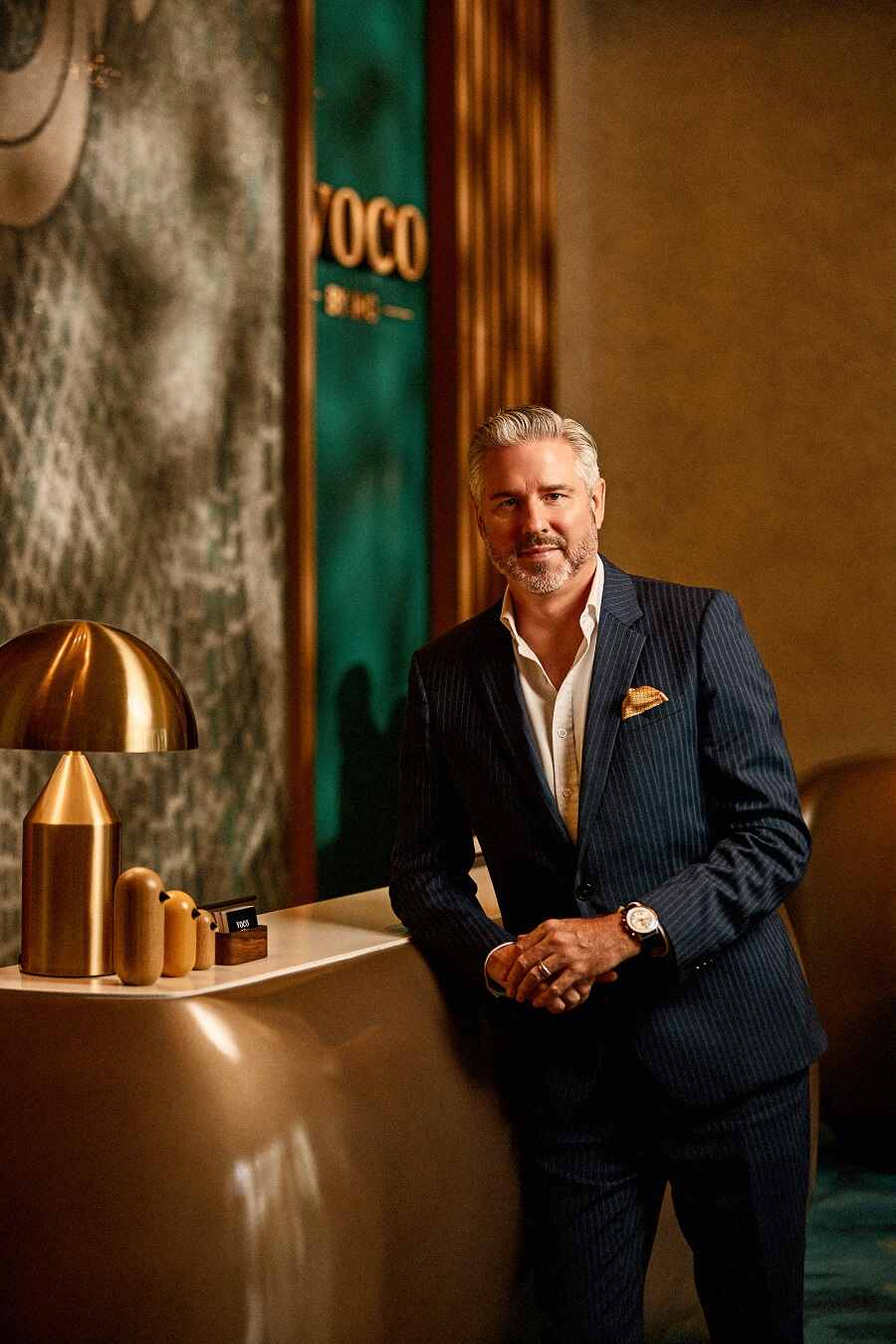
Q: How do you personally define “innovation” in the hospitality world?
Innovation, for me, is rarely the newest system. It is removing whatever stands between my team and the guest. Sometimes that is technology. More often it is a form we stopped asking people to complete, or a decision a supervisor no longer needs to escalate. I came up through operations with a Six Sigma background, so I am naturally suspicious of anything that adds a step and calls it progress. My test is simple: does this give a colleague back time, attention or authority? If it does, it is innovation. If it only looks impressive, it is decoration.
Q: How do you train your team to balance efficiency with empathy?
I don’t train them as opposing skills, because they aren’t. Efficiency exists to buy the empathy. If check-in takes four minutes instead of nine, that isn’t a productivity win – it’s five minutes a colleague can spend actually looking at the person in front of them. So we drill the mechanics hard, then give people explicit permission to leave the script when a moment asks for it. And we recognise them for leaving it. If you only celebrate people for executing the standard correctly, the standard is precisely what you will get. Nothing more.
Q: What’s one “old school” hospitality tradition you’ll never replace with tech?
The shift handover – the conversation, not the digital log. Every day at voco Scenia Bay, one team hands the hotel to the next and talks about people: who is celebrating something, who arrived unhappy, who hasn’t quite been themselves. A system can record that a guest is on honeymoon. It cannot pass on tone or emotion. The second is walking the floor. I eat in our restaurants and I stand in the lobby in the middle of the afternoon. No dashboard has ever told me what a room actually feels like at eight o’clock on a Saturday.
Q: How do you see AI and automation shaping hospitality in Asia over the next five years?
Asia will move faster than the West, because our guests already live on their phones – the expectation is set. Within five years I would expect pricing, forecasting and much of the pre-arrival conversation to be machine-assisted, and that is welcome; machines weigh variables without ego. The interesting question is what we do with the capacity it frees. Reinvest it in people and this becomes the most human era hospitality has had. Take it out as headcount and guests will feel the absence within a season. That is a leadership decision, not a technology outcome.
Sachin Tyagi
General Manager of Traders Kuala Lumpur
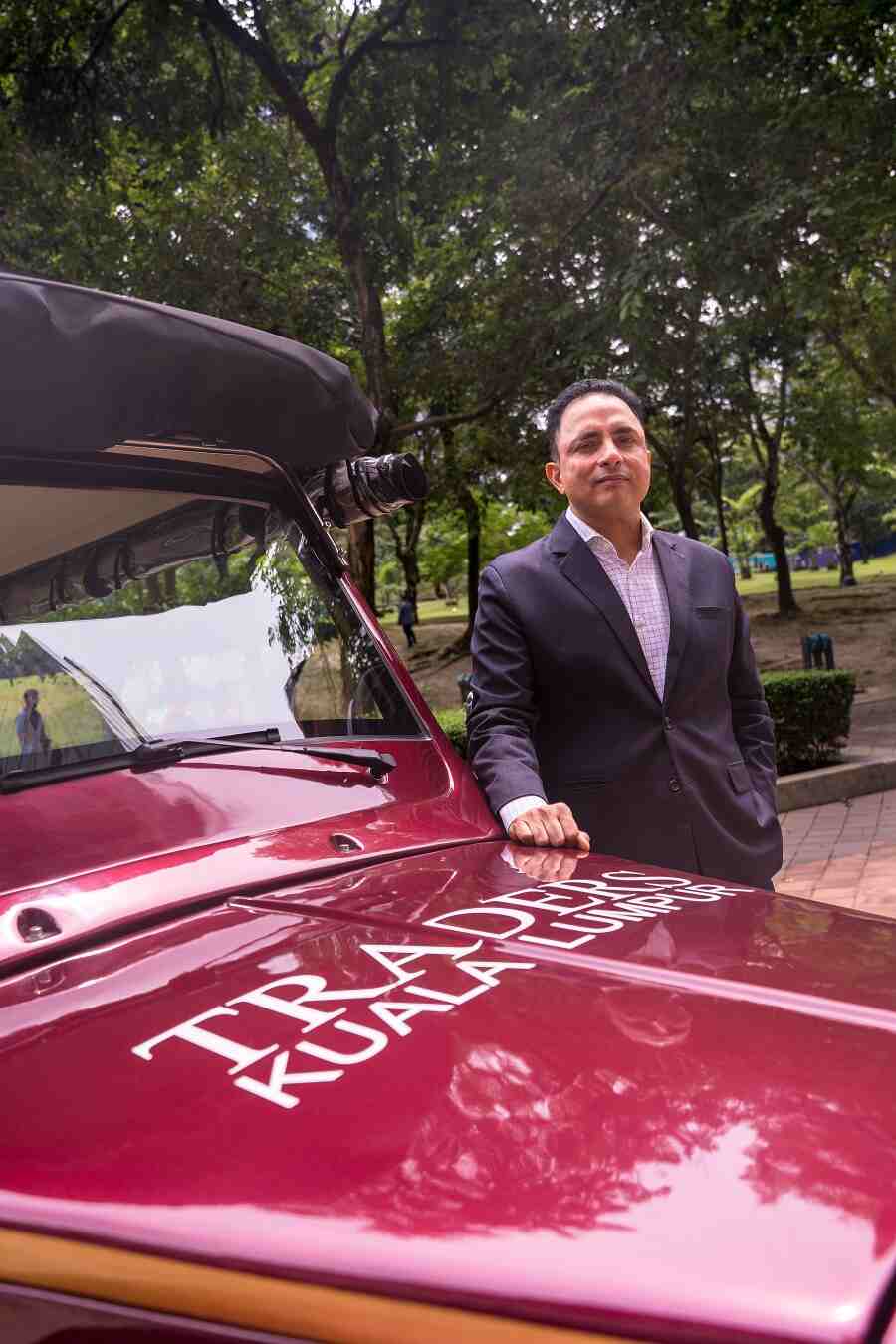
Q: How do you personally define “innovation” in the hospitality world?
To me, innovation is not about having the newest technology. It is about finding a better way to make a guest’s experience easier, more personal, or more memorable. Technology should remove friction, not remove connection. Sometimes innovation is a sophisticated AI solution; sometimes it is simply noticing what a guest needs before they ask. The best innovation is almost invisible to the guest, because it makes the experience feel effortless while allowing our people to spend more time doing what technology cannot: connecting, caring, and creating genuine moments of hospitality.
Q: How do you train your team to balance efficiency with empathy?
We remind our teams that efficiency gets the job done, but empathy makes the guest feel cared for. Technology and processes help us move faster, but we train our people to pause, listen, and understand the person behind the request. I often tell my team: do not just solve the problem, solve the feeling. A guest may forget how quickly we checked them in, but they will remember how we made them feel when something went wrong. That balance comes from empowering people to use their judgement, not simply following a process.
Q: What’s one “old-school” hospitality tradition you’ll never replace with tech?
The simple act of genuine human recognition. A warm welcome, remembering a guest’s name, noticing their preferences, or simply asking, “How was your day?”. These small gestures have no algorithm and cannot be automated authentically. Technology can tell us what a guest has done before; only a person can make them feel that they genuinely belong. I believe the fundamentals of hospitality will never change. We can digitise the transaction, but we should never digitise the relationship.
Q: How do you see AI and automation shaping hospitality in Asia over the next five years?
AI will become part of almost every aspect of hospitality, from revenue and forecasting to personalisation, marketing, and operational efficiency. I see it as an incredibly powerful co-pilot for our teams, helping us make better and faster decisions. But I do not believe AI will replace hospitality professionals. Instead, it should free them from repetitive tasks and give them more time to engage with guests. The hotels that succeed will be those that combine the intelligence of technology with the emotional intelligence of their people. The future is not AI versus hospitality. It is AI enabling better hospitality.
Marcel Holman
General Manager of Artyzen Singapore

Q: How do you personally define “innovation” in the hospitality world?
To me, innovation in hospitality means rethinking the guest experience so it feels easier, smarter and more memorable. Sometimes that involves technology, but just as often it is a better idea, a different way of working, or giving our team more freedom to respond instinctively. I do not think innovation should be visible for the sake of being impressive. The best kind almost disappears into the experience. If a guest leaves feeling that everything just flowed – and perhaps that we surprised them along the way – then we have probably innovated well.
Q: How do you train your team to balance efficiency with empathy?
I would rather have a colleague take an extra minute and get the moment right than deliver a perfectly efficient but forgettable interaction. We can teach standards, systems and procedures, but empathy requires people to be present. So we encourage our team to notice things: the guest who looks lost, the couple celebrating quietly, the regular who orders the same drink. Efficiency should take care of what is predictable. Our people should take care of everything that is not. That is where hospitality gets interesting.
Q: What’s one “old-school” hospitality traditional you would never replace with tech?
Remembering someone’s name – and using it naturally. Not because a screen flashed “returning guest” before they walked through the door, but because somebody genuinely remembers them. There is a wonderful old-fashioned charm in being recognized: your name, your usual table, perhaps even how you take your coffee. We are surrounded by technology that knows an extraordinary amount about us, yet somehow being remembered by another person still feels more special. I hope hospitality never loses that.
Q: How do you see AI and automation shaping hospitality in Asia over the next five years?
AI will become very good at predicting what guests want. The interesting question is what we do with the time it gives back to us. I would happily let AI handle the repetitive work, analyse patterns and solve problems before they become problems. But I do not want a robot asking how my day was. Asia has some of the world’s most intuitive hospitality, and that is worth protecting. The winning formula will not be humans versus machines. The winning formula will not be humans versus machines. Let the machines remember the data, let our people create the stories.
Gordon Aeria
General Manager of Amara Singapore
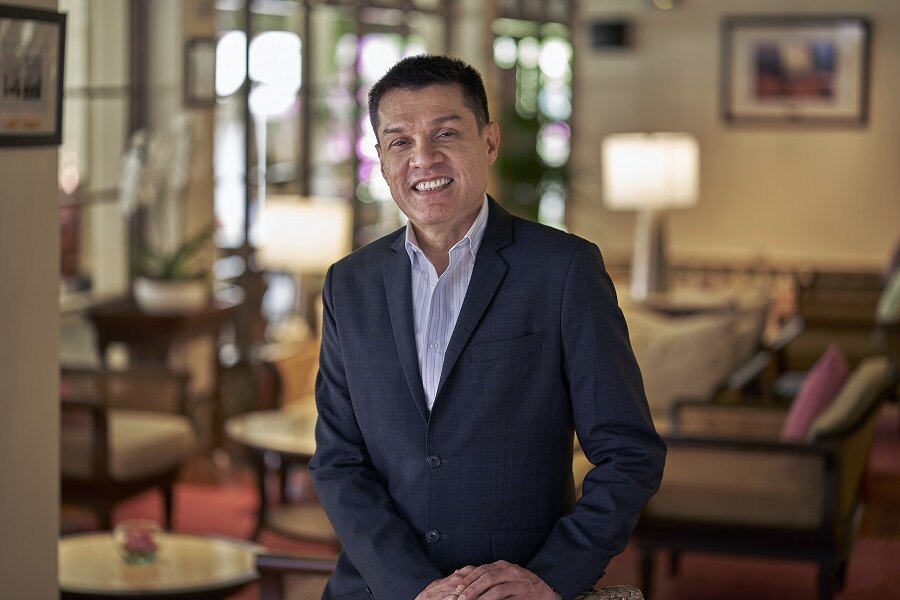
Q: How do you personally define “innovation” in the hospitality world?
I define innovation as finding simpler and more meaningful ways to improve the guest experiences and business performance. It is not simply about introducing the latest technology; it is about solving real problems and creating value for guests and colleagues. Technology, AI and automation can improve efficiency and personalisation, but successful innovation should always support the human side of hospitality. For me, the best innovations make service seamless while giving our teams time to engage and connect with guests. Innovation should enhance hospitality, not diminish what makes it special.
Q: How do you train your team to balance efficiency with empathy?
I believe efficiency and empathy should go hand-in-hand. We use real-life scenarios, role-play and guest feedback to develop active listening, empathy and problem-solving skills. I constantly remind our team that guests may remember how quickly we solved a problem, but how we made them feel matters just as much. Technology supports the process; genuine care makes the experience memorable.
Q: What’s one “old-school” hospitality tradition you’ll never replace with tech?
The tradition I will never replace with technology is anticipating a guest’s unspoken needs. Noticing they’re exhausted after a long flight and quietly offering an early check-in, or sensing they’re celebrating a milestone without being told. That’s instinct, not data. Technology can tell us what a guest booked or what they preferred based on a previous stay but it can’t tell us how they’re feeling in the moment. That perception, and the choice to act on it, is what makes hospitality feel human. It sets the tone for the stay, telling guests they are recognised as individuals and that we are pleased to have them with us.
Q: How do you see AI and automation shaping hospitality in Asia over the next five years?
Over the next five years, AI and automation will become increasingly embedded across hospitality, from reservations and revenue management to marketing, and day-to-day operations. AI will enable hotels to better understand guest preferences and anticipate their needs, creating more personalised experiences throughout the guest journey. These technologies will help hotels operate more efficiently and make better use of data in their decision-making. However, I do not see AI replacing people. I see its value in automating routine tasks, allowing our team tasks to focus on creativity, problem-solving and genuine guest engagement. Technology should enhance efficiency, while giving our team members more time to focus on what they do best, creating meaningful experiences for our guests.
Ratna Wahyuni
General Manager of Sheraton Belitung Resort
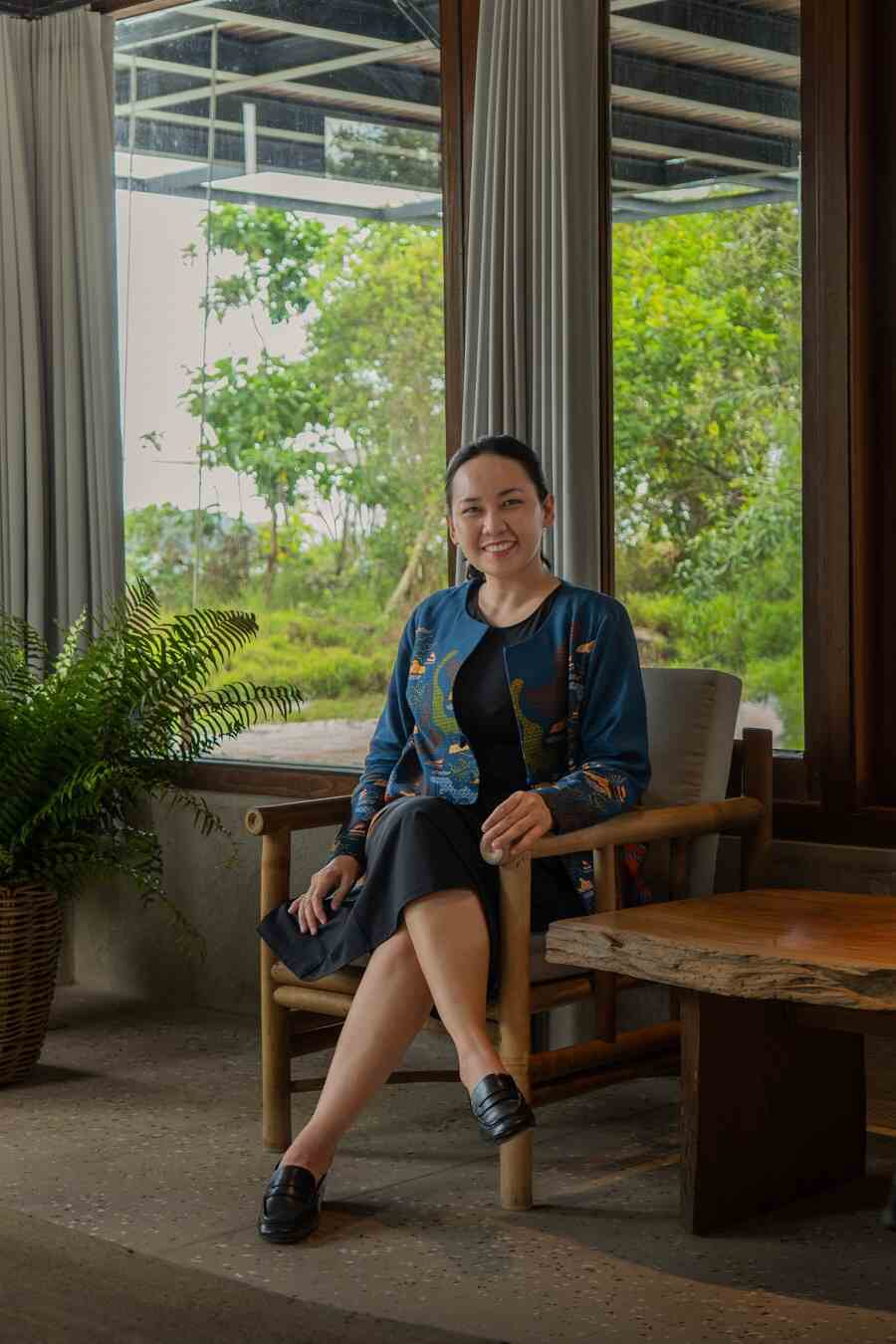
Q: How do you personally define “innovation” in the hospitality world?
For me, innovation is about creating better experiences while staying true to the destination. At Sheraton Belitung Resort, innovation can mean using technology to make a guest’s journey more seamless, but it also means creating meaningful experiences around Belitung’s natural beauty and local culture. Our approach to sustainability, from water management to the use of local materials, is another part of innovation. Ultimately, innovation should make hospitality more thoughtful, sustainable and relevant, without losing the personal connection that makes a stay memorable.
Q: How do you train your team to balance efficiency with empathy?
At Sheraton Belitung Resort, we remind our associates that every guest arrives with different expectations and reasons for travelling. We use technology and clear processes to help our team work efficiently, but we place equal importance on listening, observing and understanding our guests. Through daily briefings, coaching and service conversations, we encourage our associates to be proactive rather than simply reactive. In a resort surrounded by nature, we also want our guests to feel that sense of calm and genuine care from the moment they arrive.
Q: What’s one “old-school” hospitality tradition you’ll never replace with tech?
A genuine personal welcome will always remain important to me. At Sheraton Belitung Resort, many of our experiences are about slowing down and connecting — whether it is enjoying the beach, exploring the island or simply having a conversation with our associates. Technology can make a stay more convenient, but it cannot replace a sincere smile, remembering a guest’s preference or taking a moment to have a meaningful conversation. Those simple gestures are what turn a good stay into a memorable one.
Q: How do you see AI and automation shaping hospitality in Asia over the next five years?
AI and automation will become increasingly important in helping hotels understand guest preferences, improve efficiency and personalize experiences. For a resort like Sheraton Belitung, these technologies can help our teams spend less time on repetitive processes and more time engaging with guests and creating destination-led experiences. I see AI as a tool that supports our people rather than replaces them. The future of hospitality in Asia will be about combining innovation with genuine human connection — using technology where it adds value, while keeping the warmth of hospitality at the heart of every stay.
Dino Magnatta
Owner of Ulaman Eco Luxury Resort

Q: How do you personally define innovation in the hospitality world?
Innovation is not about following trends or adding more technology. It is about finding better ways to elevate the guest experience while staying true to who we are. At Ulaman, every innovation must serve a purpose, whether it improves sustainability, streamlines operations, or gives our team more time to focus on genuine hospitality.
Q: How do you train your team to balance efficiency with empathy?
Technology should make hospitality more personal, not more distant. We encourage our team to use digital tools to simplify routine tasks so they can focus on what matters most: listening, anticipating guests’ needs, and creating thoughtful interactions. The smallest gestures often leave the strongest impression.
Q: What’s one old-school hospitality tradition you’ll never replace with technology?
A sincere welcome and a heartfelt farewell. No technology can replace the warmth of being greeted by someone who is fully present. Eye contact, a genuine smile, and remembering our guests’s names are timeless expressions of hospitality that will always matter.
The same is true when guests leave. Personally thanking them for choosing to stay with us, wishing them a safe journey, and letting them know they are always welcome back creates a lasting impression that no digital experience can replicate.
Q: How do you see AI and automation shaping hospitality in Asia over the next five years?
AI will become an increasingly valuable tool across the hospitality industry by making guest communication faster, more efficient, and available around the clock. AI-powered chatbots, for example, can respond to inquiries even while we’re asleep, assist with pre-arrival communication, answer general questions about the resort, recommend experiences, and support reservation inquiries. Automated booking engines also allow guests to check availability and complete reservations instantly, creating a smoother and more convenient booking journey.
That said, AI should enhance hospitality rather than replace it. While it is excellent for handling routine questions and repetitive tasks, there are still situations that require empathy, judgment, and genuine human connection. Personalized requests, complex travel arrangements, and meaningful guest interactions are best handled by people. I believe the future belongs to hotels that combine intelligent technology with authentic hospitality, using AI to save time so teams can focus on creating memorable experiences that guests will remember long after their stay.

