

Redefining Luxury: Leaders on Asia’s New Hospitality Rules
Luxury isn’t what it once was. For years it meant marble lobbies, gilded suites and a sense of exclusivity, but today’s travellers are rewriting the script. They want stays that feel personal, rooted in place and rich with meaning. In Asia, where tradition and innovation collide so vividly, this shift is especially striking. Guests now prize sustainability, cultural immersion and emotional connection as much as fine linens or Michelin‑starred menus. For hoteliers, the challenge is blending timeless hospitality with modern expectations. Luxury is no longer about excess; it’s about relevance, resonance and experiences that linger long after checkout.
Marc Selinger
General Manager of Meliá Chiang Mai
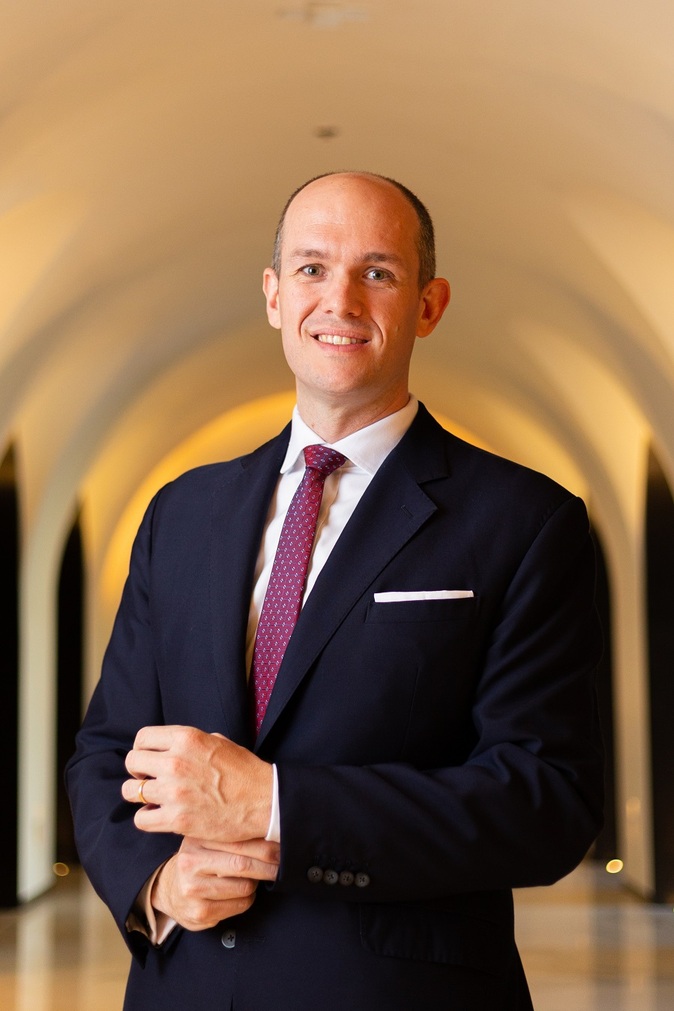
Q: How has your definition of luxury evolved in the past five years?
Luxury has shifted from what we show to how we make people feel. It is no longer about excess, but about relevance and personalisation. Today’s guests value authenticity, wellbeing, and meaningful experiences over traditional markers of opulence. At Meliá Chiang Mai, luxury is defined by intuitive service, a strong sense of place, and the ability to create moments that feel effortless yet memorable.
Q: How do you balance local cultural authenticity with global luxury standards?
The balance comes from respecting the destination while maintaining consistency in service excellence. We integrate Lanna heritage through design, cuisine, and storytelling, while ensuring international standards in comfort and service delivery. It is about creating a sense of place without compromising quality—where guests feel both immersed in Chiang Mai and confident in the Meliá experience.
Q: What innovations have you introduced that resonate most with modern travellers?
We focus on experiential and lifestyle-driven offerings, such as rooftop activations at MAI The Sky Bar, wellness-led experiences, and curated local journeys. Digital touchpoints and personalised service also play a key role. Guests respond strongly to experiences that feel social, shareable, and connected to the destination rather than purely transactional.
Q: Looking ahead, what do you believe will define luxury hospitality in Asia over the next decade?
Luxury in Asia will be defined by purpose, sustainability, and cultural depth. Travellers will seek brands that demonstrate responsibility while offering authentic connections to place. The future lies in creating meaningful, emotionally engaging experiences—where luxury is not just seen, but genuinely felt.
Jirarat Ninpradub
General Manager of Le Méridien Phuket Mai Khao Beach Resort
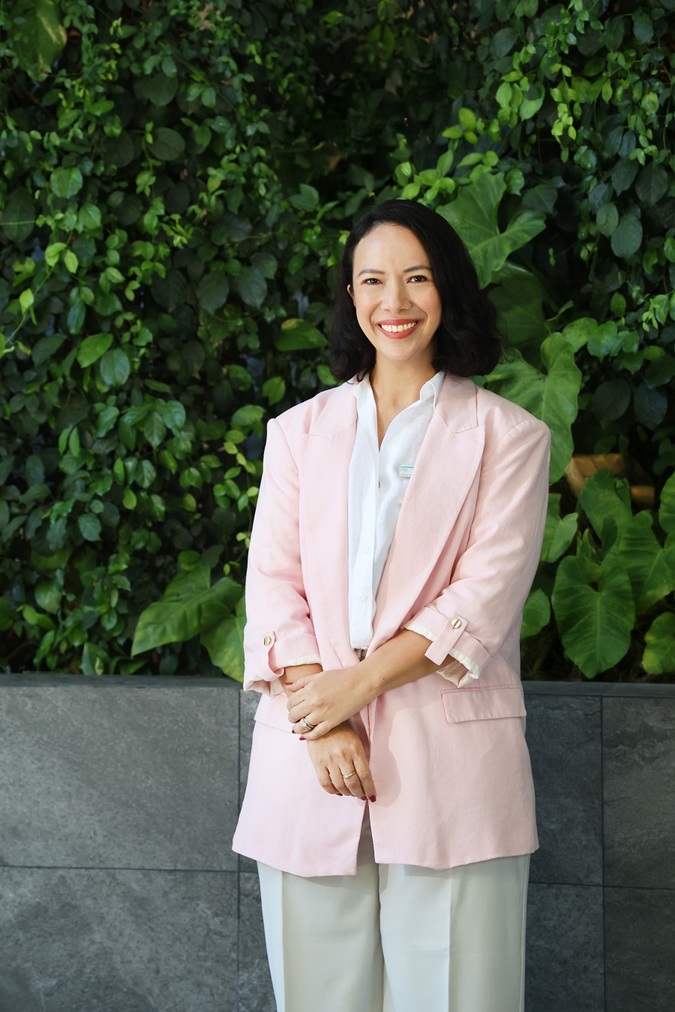
Q: How has your definition of luxury evolved in the past five years?
Luxury today is no longer defined solely by physical opulence or exclusivity. Over the past five years, it has evolved into something far more personal and meaningful. Today’s guests value time, space, privacy, and emotional connection above all. True luxury means feeling genuinely cared for through intuitive service, personalized experiences, and a strong sense of place. It is about creating moments that feel effortless yet memorable, whether through a peaceful beachfront sunrise, thoughtful family experiences, or authentic local touches. Luxury has shifted from what guests can see to how we make them feel.
Q: How do you balance local cultural authenticity with global luxury standards?
For us, the balance comes from ensuring that global standards provide consistency in comfort and service, while the soul of the experience remains deeply local. We deliver the reliability and sophistication expected from an international luxury brand, but every guest journey is enriched by the spirit of Mai Khao and Phuket. This includes locally inspired cuisine, wellness rituals, cultural storytelling, and design elements that reflect the destination. Authenticity is not an addition; it is embedded in the guest experience. When local character and world-class service come together seamlessly, luxury becomes both elevated and meaningful.
Q: What innovations have you introduced that resonate most with modern travellers?
Modern travellers seek experiences that are personalized, seamless, and purposeful. We have focused on innovations that enhance both convenience and connection. This includes more curated family and wellness experiences, sustainability-driven initiatives such as beach conservation activities, and guest journeys designed around flexibility and personalization. Digital touchpoints help simplify the stay, while on-property experiences create memorable emotional connections. Guests especially respond to offerings that combine relaxation with meaningful engagement, whether that is enjoying fresh local ingredients, family activities by the beach, or participating in experiences that reflect our commitment to sustainability and community.
Q: Looking ahead, what do you believe will define luxury hospitality in Asia over the next decade?
Over the next decade, luxury hospitality in Asia will be defined by authenticity, sustainability, and emotional relevance. Guests will increasingly seek destinations that offer meaningful cultural immersion, wellness, and a strong sense of belonging. Asia’s richness in heritage, craftsmanship, and natural beauty positions the region uniquely to lead this evolution. The future of luxury will be less about extravagance and more about curated, transformative experiences that respect both people and place. Hotels that successfully blend local identity, environmental responsibility, and personalized service will define the next chapter of luxury hospitality in this region.
Marc Handl
Managing Director of Dusit Thani Bangkok and Dusit Residences
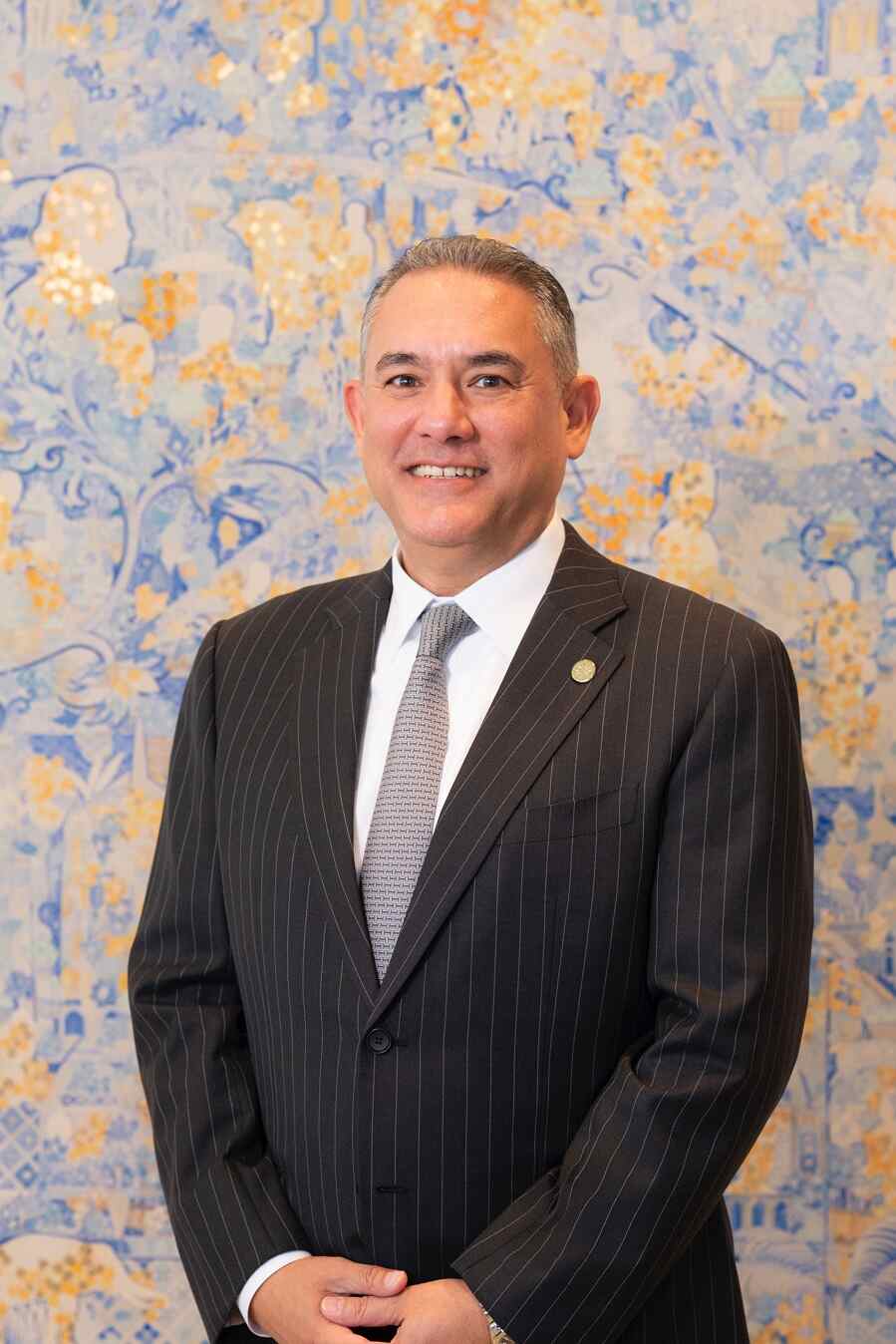
Q: How has your definition of luxury evolved in the past five years?
Luxury was once defined by product, facilities, and service. Today, as more hotels achieve high standards of design and craftsmanship, the distinction lies beyond the tangible. Luxury has gradually evolved into something more experiential and emotional. It is about how guests feel across every touchpoint, from pre-arrival to post-stay. Thoughtful interactions, personalisation, and genuine care shape the experience in a more meaningful way. Moments of discovery and connection often leave the most lasting impression. In many ways, luxury today is less about what is seen, and more about what is felt through subtle, consistent human connection.
Q: How do you balance local cultural authenticity with global luxury standards?
At Dusit Thani Bangkok, we approach this balance with care and intention. Global luxury standards guide our operations, ensuring comfort, consistency, and a seamless guest journey. At the same time, Thai authenticity is expressed through our people, through gracious hospitality, warmth, and attentiveness in daily interactions. Rather than presenting culture in an overt way, we prefer to introduce it gently, allowing guests to engage at their own pace. This creates a sense of ease and authenticity without expectation. It is a quiet balance, where international standards and Thai character come together in a way that feels natural and considered.
Q: What innovations have you introduced that resonate most with modern travellers?
Modern travellers increasingly value convenience, flexibility, and ease. Our innovations have been introduced with this in mind. Mobile Key allows guests to access their rooms via personal mobile devices, offering a simple and seamless alternative to traditional keycards. In addition, the Dusit Gold application enables guests to communicate with the hotel effortlessly, from requesting services to arranging dining or experiences. This has been particularly well received by those who prefer messaging over calls, as well as international guests who benefit from multilingual options and a more intuitive way to engage.
Q: Looking ahead, what do you believe will define luxury hospitality in Asia over the next decade?
Asia’s luxury hospitality landscape will continue to evolve, with new developments and increasing global interest. At the same time, what has always distinguished the region remains unchanged. The warmth, attentiveness, and genuine care found in Asian hospitality create a natural connection with guests. As design and service continue to advance, these qualities will remain central. It is perhaps this combination, of refinement and sincerity that will define the future of luxury in Asia. Rather than following trends, there is a quiet confidence in staying true to these values, allowing experiences to feel personal, considered, and enduring.
Matthew Faull
Executive Director and Senior Vice President of Swiss-Belhotel International
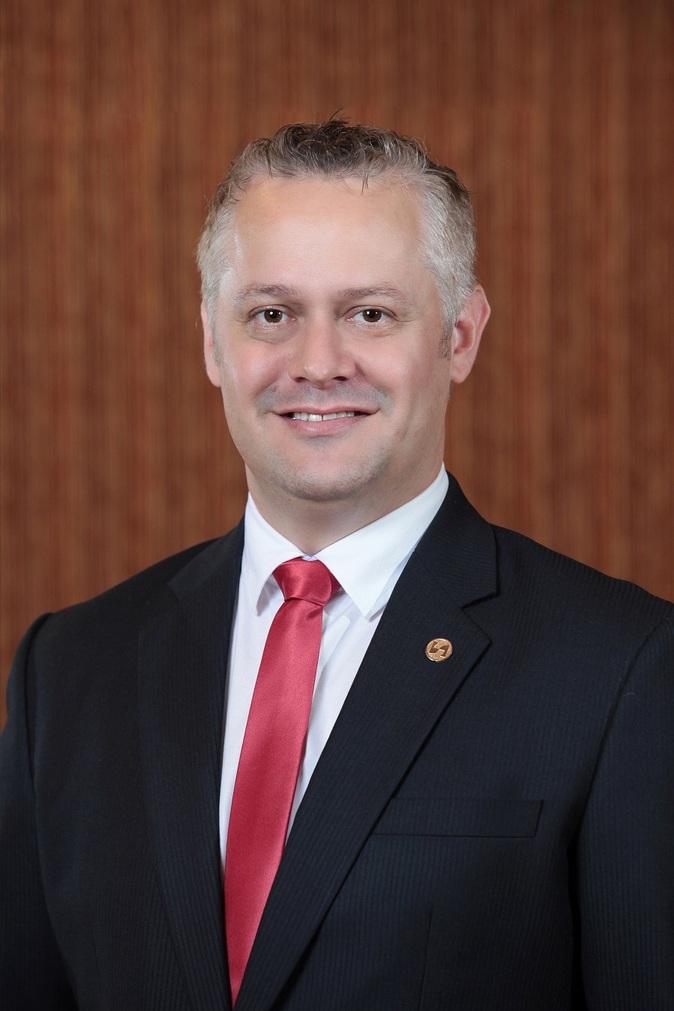
Q: How has your definition of luxury evolved in the past five years?
Five years ago, luxury was often synonymous with physical excess—the grandest lobby or the most expensive materials. Today, I see it as the “luxury of ease.” It has transitioned from a status symbol to a state of mind. In our hyper-connected world, true luxury is the ability to disconnect from noise and reconnect with oneself through seamless, intuitive service. It’s no longer about how much marble is in the bathroom, but how well we respect a guest’s time and peace of mind. Luxury is now the shift from “Look what I have” to “Look how I feel.”
Q: How do you balance local cultural authenticity with global luxury standards?
We treat this balance through the lens of glocalisation—the strategic blend of global operational excellence with a local heart. In my view, global standards act as the “skeleton,” ensuring reliability and safety, while local culture provides the “soul.” It is about being “global in scale, local in feel.” We integrate regional architecture and traditional rituals into a high-performance framework. The objective isn’t a sterile, carbon-copy experience; it is ensuring that while our quality meets international benchmarks, the guest’s journey remains vibrantly and authentically rooted in the destination’s unique heritage.
Q: What innovations have you introduced that resonate most with modern travellers?
Innovation today is about “anticipation.” We leverage data to remove friction before a guest notices it. Our technological enhancement began last year and completed a full circle recently with the launch of the Swiss-Belhotel International Mobile App. The fully connected digital ecosystem aligns our new website and booking engine, a new CRM (Customer Relationship Management) tool, improved digital marketing techniques and the user-friendly Mobile App. The app enables personalised engagement and exclusive member benefits, reinforcing direct relationships. Ultimately, we use these tools to return to the roots of hospitality: a “high-tech, high-touch” approach where technology empowers our staff to make every guest feel truly seen.
Q: Looking ahead, what do you believe will define luxury hospitality in Asia over the next decade?
The next decade will be defined by “Conscious Luxury.” In Asia, sustainability is shifting from an “optional extra” to the core product. We are already championing this through our MĀUA by Swiss-Belhotel brand, which embodies this ethos. From advanced water recycling and single-use plastic reduction to cultivating on-site organic gardens, our efforts have garnered notable sustainability accolades. Modern travellers seek brands demonstrating a genuine commitment to the environment. We believe the future of luxury is being a “good citizen” while providing an exquisite escape, where exclusivity is defined by access to untouched nature and local wisdom.
Christian Metzner
General Manager of W Singapore – Sentosa Cove
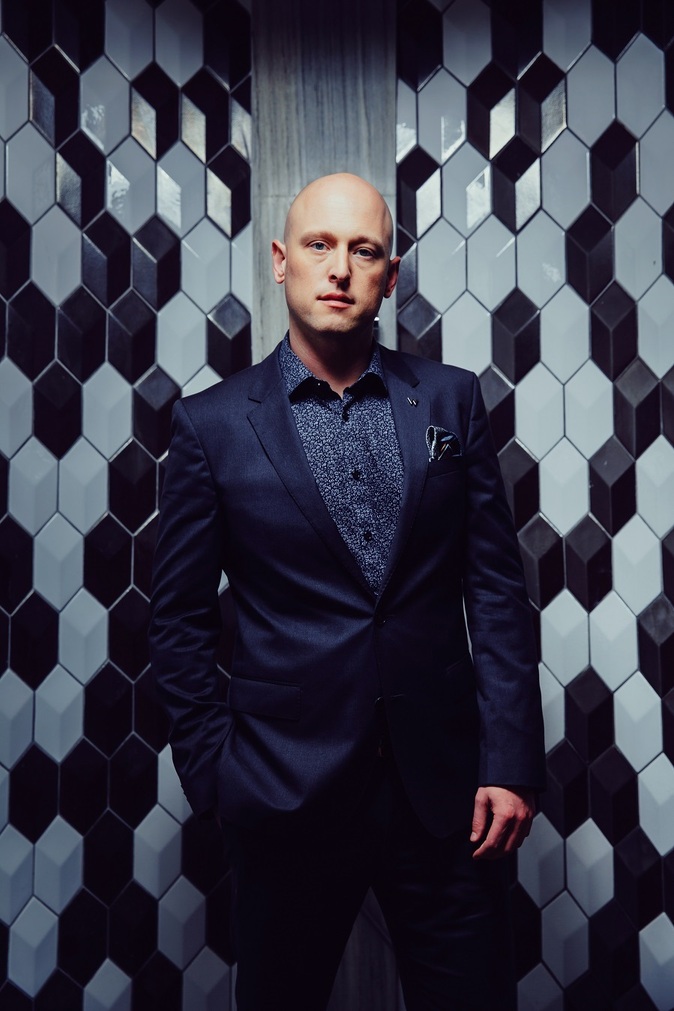
Q: How has your definition of luxury evolved in the past five years?
My definition of luxury has evolved quite a bit. It is no longer anchored solely in scale or grandeur, but in how a guest feels and the connection they take away. Today’s luxury is far more human, shaped by experiences that restore and rebalance, creating space for guests to slow down, reconnect, and leave feeling genuinely transformed. It is less about flawless service alone and more about intention woven through every interaction. This is a philosophy Marriott International’s Luxury Group shares: moving people emotionally, giving guests more to feel, more to dream about, and more ways to access their dreams.
Q: How do you balance local cultural authenticity with global luxury standards?
I think it really comes down to being intentional. You want guests to feel where they are, while still having that sense of ease and familiarity that comes with a global standard. At W Singapore – Sentosa Cove, we like to blur that line in a way that feels effortless. Music is a big part of our DNA and one of the ways we naturally celebrate local culture, through local and regional talent alongside global DJs. The same goes for dining; we celebrate Singapore’s flavours while presenting them with the quality and finesse guests expect from a luxury hospitality experience today.
Q: What innovations have you introduced that resonate most with modern travellers?
One of the most meaningful shifts we’ve seen is how wellbeing has become to the guest journey. It is no longer an add-on, but often the reason for travel and a key part of how guests choose to spend time with us. We’ve responded by evolving our experiences in ways that feel intentional and relevant to today’s traveller. Our refreshed AWAY Spa introduces facilities like ice baths, a vitality pool, infrared heat therapy, aqua fitness and wellness moments. What has been encouraging is how strongly this has resonated with both guests and the community seeking ways to reset and reconnect.
Q: Looking ahead, what do you believe will define luxury hospitality in Asia over the next decade?
I believe luxury hospitality in Asia will be defined by how thoughtfully we bring together culture, sustainability, and wellbeing in ways that feel seamless and relevant to today’s traveller. Guests are more conscious and want their stay to reflect not just where they are, but what they value. We’ve focused on staying ahead of that shift by evolving our experience with intention, from water filtration and solar energy to wellness drinks on arrival. Alongside that, our AWAY Spa creates restorative moments, while our new music series, After Dark, brings connection through music and cultural expression to the guest journey.
Maya Rigg
CEO of Elite Havens

Q: How has your definition of luxury evolved in the past five years?
Luxury used to mean grand gestures, champagne on arrival, marble everything. Today, it’s the chef who remembers how you like your coffee, or the villa manager who knows the quiet beach where locals still fish at dawn. It’s about feeling known, not just served. At Elite Havens, we’ve leaned into this shift before anyone else. Our teams aren’t following scripts, they’re sharing their home, their family recipes, and their favourite experiences. That authenticity, that sense of belonging in a place you’re only visiting for a week, is what modern travellers value most. Luxury is no longer about excess. It’s about emotional resonance, an experience that money cannot buy.
Q: How do you balance local cultural authenticity with global luxury standards?
We don’t balance them, we blend them. Elite Havens was born in Indonesia 28 years ago, so we’ve never been foreign operators parachuting in. Our villa teams are local. They live in the communities they serve. That’s not a marketing line, it’s structural. When a guest wants to understand Balinese temple etiquette or find the night market locals actually eat at, our staff don’t Google it. They know it. We pair that deep cultural fluency with world-class villa design, concierge precision, and service training. The result isn’t compromise, its synergy. Authentic experiences, delivered with class.
Q: What innovations have you introduced that resonate most with modern travellers?
The real innovation in luxury travel is intimacy. Everything we do is a love letter to the places we operate in: the people, the traditions, the ingredients, the stories that don’t appear in any guidebook. Take our villa chefs — many are home cooks from the villages surrounding our properties, preparing recipes passed down through generations. Grandmother’s sambal, slow-cooked rendang, nasi goreng from a recipe no restaurant has ever written down, using ingredients sourced within five kilometres of the villa. Guests aren’t eating Indonesian food; they’re tasting someone’s childhood, cooked in their own villa kitchen. That’s one expression of a philosophy that runs through everything we do. Real places, real people, real stories. That’s what modern travellers are hungry for — and it’s something a hotel simply can’t manufacture.
Q: Looking ahead, what do you believe will define luxury hospitality in Asia over the next decade?
Depth over breadth. Travellers will choose fewer, longer, more immersive stays and they’ll demand those stays feel locally rooted, not globally templated. The villa model is perfectly positioned for this: you’re not a guest passing through; you’re living in a place, guided by people who call it home. At Elite Havens, we’re doubling down on that philosophy, training our teams not just in service excellence, but in cultural storytelling. The future of luxury in Asia isn’t about being everywhere. It’s about being from somewhere, deeply and authentically. And helping travellers feel that too.
Alexander Poindl
General Manager of The Langham, Jakarta
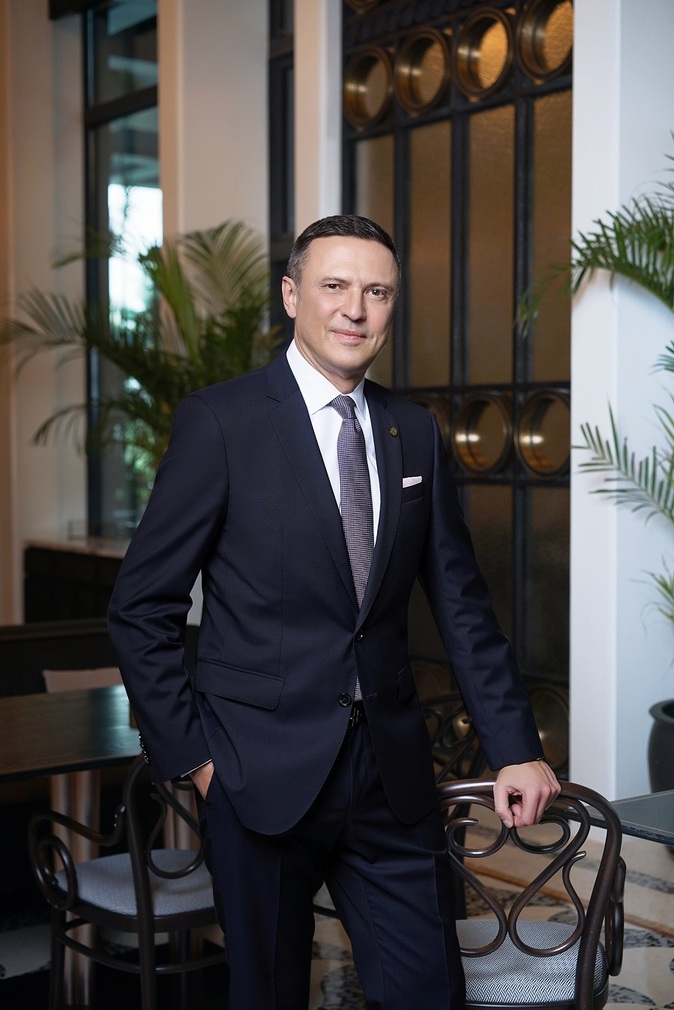
Q: How has your definition of luxury evolved in the past five years?
There is a significant shift from standardization to personalization, recently even to hyper personalization, remembering and acting on guests individual preferences. Luxury now means to communicate and engage with the guest, understanding his or her needs before they are expressed. Previously it was learning and doing services as per our standards. For example, a turndown service is still considered ‘luxury’, however, it would lack the memorable moment without personalization or another example, we understand that arrival times have to be comfortable and accommodating to our guests and not standardized by us.
Q: How do you balance local cultural authenticity with global luxury standards?
As a hotel representing a luxury brand and being considered as one of the ultra-luxury hotels and destinations in the city, we are searched to deliver services and to create memories on an international luxury level. These are the expectations to us from entering the hotel, finding an impeccable room to rest, dining in our restaurants, celebrating in our venues and bars. The local cultural authenticity is added by our team members, they add the soul to the services, the local spirit and they are the connection to the location.
Q: What innovations have you introduced that resonate most with modern travellers?
We introduced moments of wellness and thoughts into our guests stay, connecting with them ‘by heart’ on an emotional level. Personalizing a turn down service with a guest’s favorite tea, welcoming a guest at breakfast with their favourite dish, knowing and understanding. Surprising a repeater guest with their name stitched into his personalized bathrobe. Luxury, personalized, creating thoughtful memories. Service, always approachable, never complicated.
Q: Looking ahead, what do you believe will define luxury hospitality in Asia over the next decade?
Gen Z and soon, Gen Alpha are already searching for experiences when traveling. Their focus, their needs and expectations redefine existing patterns and luxury travel. Experiences are rated higher than assets, empowering and reflecting who they are. Easy tech and easy communication through different media, seamless and without language barrier – no calls but quick response through text messages. Personal values and self-expression as high priority, building unique memories – and we are the ones, creating and help building these memories.
John Drummond
General Manager of InterContinental Grand Stanford Hong Kong
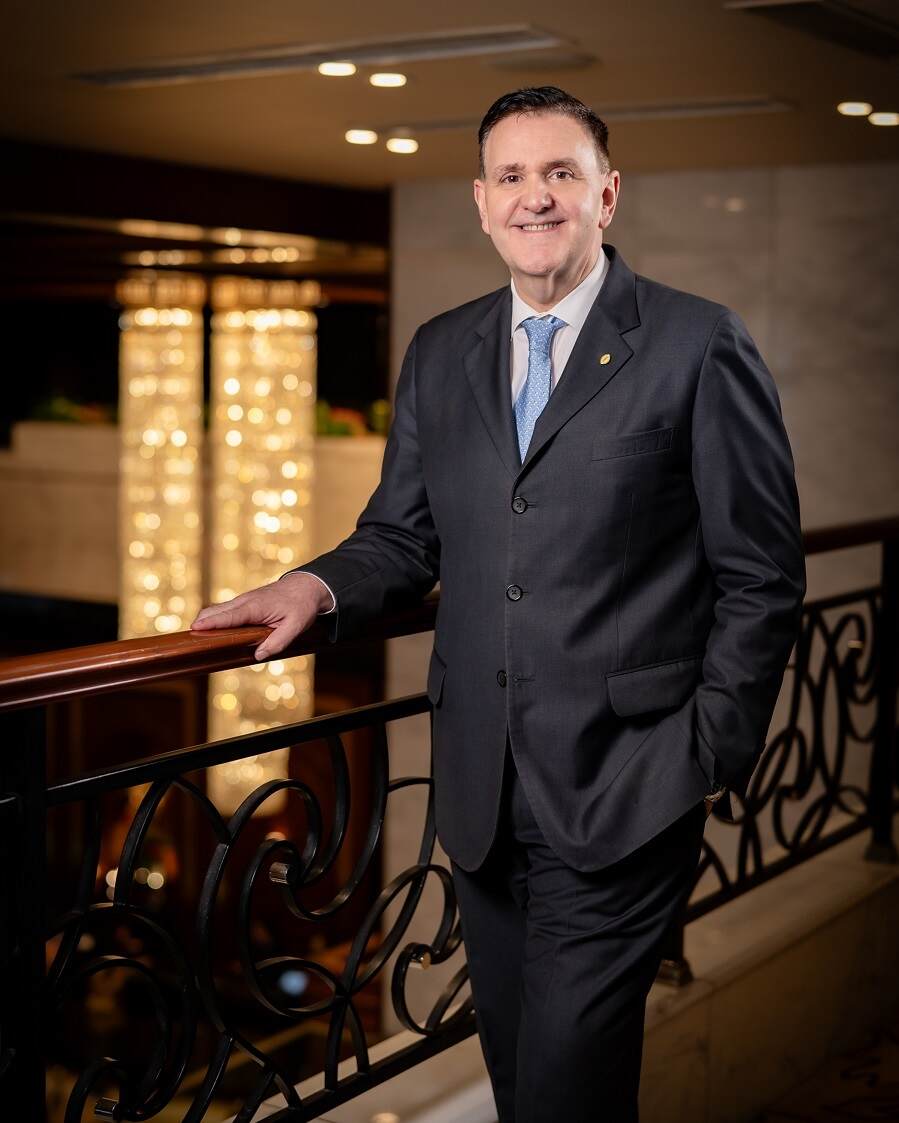
Q: How has your definition of luxury evolved in the past five years?
Luxury today is less about formality, and much more about relevance and emotional connection. Over the past five years, we have seen guests place greater emphasis on experiences that feel personal and meaningful. True luxury, in our view, lies in anticipating needs before they are expressed, offering space, calm and authenticity in a fast-paced, cluttered world.
At InterContinental Grand Stanford Hong Kong, this evolution has sharpened our focus on bespoke service, thoughtful design and experiences that engage the senses, rather than one-size-fits-all opulence.
Q: How do you balance local cultural authenticity with global luxury standards?
We see local authenticity not as a contrast to global luxury, but as an essential part of it. Situated on Victoria Harbour in the heart of Kowloon allows us to draw from the city’s cultural richness.
From Cantonese culinary heritage showcased at our signature Chinese restaurant, to collaborations with local cultural partners and chefs, we ensure that the spirit of Hong Kong is present in every touchpoint. At the same time, as part of IHG Hotels & Resorts, we uphold internationally recognised service benchmarks. The balance lies in embedding local character within a globally trusted framework, so guests enjoy both confidence and discovery.
Q: What innovations have you introduced that resonate most with modern travellers?
Modern travellers seek flexibility, immersion and purpose. In response, we have focused on innovations that enhance experience rather than replace human connection. This includes the curation of experience-led dining concepts, masterclasses and themed events, as well as digital enhancements that streamline the guest journey while allowing our teams to focus on meaningful interactions. Sustainability initiatives such as reducing waste in operations and refining responsible sourcing in our kitchens, also resonate strongly with today’s travellers. Ultimately, innovation works best when it enhances comfort and storytelling without drawing attention to itself.
Q: Looking ahead, what do you believe will define luxury hospitality in Asia over the next decade?
The future of luxury hospitality in Asia will be defined by cultural experience, sustainability and emotional intelligence. Guests are increasingly looking for places that reflect a strong sense of identity, respect for the environment, and offer genuine human warmth.
Asia is uniquely positioned to lead this next chapter, with its rich traditions, craftsmanship and philosophy of hospitality. Hotels that succeed will be those that move beyond regularity that invest in people, places and purposeful experiences to create stays that guests remember. Not for how grand they were, but for how much authenticity they can take away.
Tan Bee Leng
Chief Commercial Officer of The Ascott Limited (Ascott)
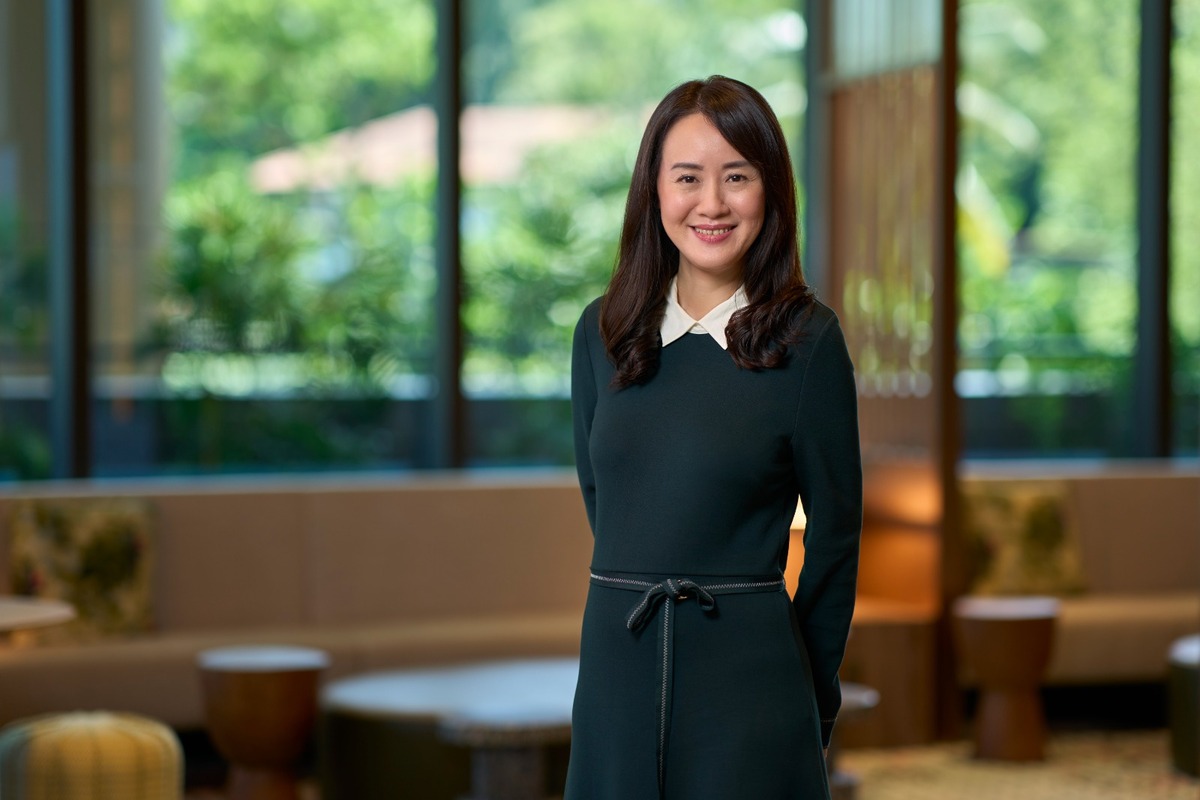
Q: How has your definition of luxury evolved in the past five years?
Luxury used to be about what you could see and touch, such as the thread count, the marble or the square footage. But discerning guests now define luxury differently. They want to feel connected to where they are, not just comfortable within it. The most memorable stays today are ones where the building has a past, the neighbourhood has a personality, and the experience could not have been designed anywhere else. Luxury travellers are now seeking more tailored and high-touch experiences. That shift is what Ascott has been building towards as experience spend rises in a more demanding emotional economy. This has fundamentally changed how we think about what a stay should leave with a guest long after checkout.
Q: How do you balance local cultural authenticity with global luxury standards?
As luxury travellers are increasingly drawn to context-rich experiences, longer stays and a deeper sense of immersion, Ascott believes in building a clear sense of place by balancing local cultural authenticity with our global luxury standards. Our two collection brands are designed to feel inseparable from their setting, with site-specific storytelling, local cultural programming, artisan collaborations, destination dining and excursions that feel native to place. This stronger sense of place increases desirability, sharpens differentiation, and strengthens memorability. The Crest Collection’s brand promise is “A Story Behind Every Door”. To illustrate, The George Penang by The Crest Collection occupies a restored shophouse that once housed the Teik Bin Chinese Dispensary, while La Clef Champs-Élysées Paris by The Crest Collection is the former mansion of the Hennessy family. The standard of hospitality is consistent, but what differs – and what guests remember – is the story only that property can tell. The Unlimited Collection takes the same conviction into the cultural space. The newly opened Lasong Hotel and Villas Sam Son by The Unlimited Collection in northern Vietnam draws its identity from the coastal fishing culture and landscape where Ma River meets Sam Son Beach. Sam Son’s coastal culture goes beyond a setting and becomes the stay.
Q: What innovations have you introduced that resonate most with modern travellers?
The most consequential work has been treating storytelling as a brand discipline rather than a marketing add-on. With The Crest Collection, every property is built around a heritage narrative that shapes everything a guest encounters, from the design to the programming to how the space is named and curated. With The Unlimited Collection, the story lives in the neighbourhood itself, expressed through hosts who are cultural insiders and spaces that connect guests to local makers, artists and traditions. The Grand Hotel Leicester by The Unlimited Collection captures this well: a Grade II listed Art Deco building that once hosted Winston Churchill, now reawakened as a cultural address for the city rather than simply a hotel within it. The history was always there, and the brand gave it a language. Such distinct and ownable hospitality language travel further in culture and stay longer in memory with rich emotional texture, giving our guest a reason to talk about it repeatedly.
Q: Looking ahead, what do you believe will define luxury hospitality in Asia over the next decade?
Today’s luxury traveller is not just spending more, they are spending with greater intention, higher demand for personalisation and digitally enabled service layers, including in-room preferences, tailored experiences and more seamless journey design. Ascott has started investing in building an AI-ready infrastructure to scale agentic commerce. The aim is to bring about smarter recommendations, more precise inventory matching and loyalty experiences that recognise our guests and ASR members at every touchpoint. Personalisation lifts relevance, strengthens service perception, and helps our guests to feel genuinely known. That is the kind of personal resonance that will define luxury hospitality in the years ahead.
Dino Magnatta
Owner of Ulaman Eco Luxury Resort
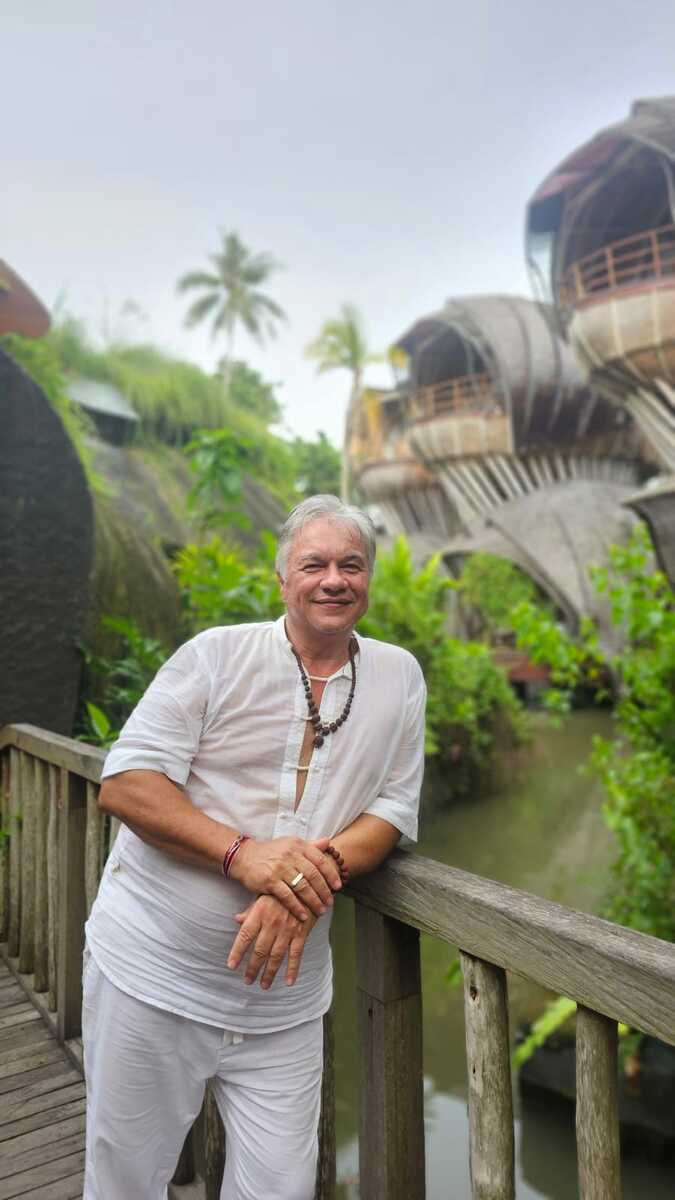
Q: How has your definition of luxury evolved in the past five years?
When we first opened five years ago, Ulaman focused primarily on wellness and retreats. As we evolved, we expanded our facilities to create a more complete on-property experience, offering flexibility rather than a fixed structure. Today, yoga, sound healing and nature-based activities remain available, but are never imposed. Guests engage at their own pace.
Luxury has shifted from what is offered to how guests feel. It is about creating a space where they can slow down, reconnect with nature, and feel genuinely cared for in a way that feels effortless and natural.
Q: How do you balance local cultural authenticity with global luxury standards?
At Ulaman, authenticity is not something we add; it is naturally present. Most of our team is Balinese, and they bring their way of life into how they host. Daily offerings, quiet prayers, and a genuine presence create an atmosphere guests can feel.
At the same time, we maintain clear service standards. Our team is professionally trained, with strong communication ensuring consistency across operations. This balance allows us to deliver a high level of comfort while preserving authenticity. Guests feel both well taken care of and connected to a real, grounded experience that does not feel staged or controlled.
Q: What innovations have you introduced that resonate most with modern travellers?
What resonates most with modern travellers at Ulaman is not complexity, but intention. The experience is shaped by genuine human interaction, where our team engages naturally, creating something that feels grounded and sincere.
This begins before arrival. From the first point of contact, we understand guest preferences and tailor the experience accordingly. We also use technology and guest data to track these preferences, allowing returning guests to experience a more personalized and seamless stay. It is this balance of human touch and thoughtful systems that creates a journey that feels both intuitive and meaningful.
Q: Looking ahead, what do you believe will define luxury hospitality in Asia over the next decade?
Looking ahead, luxury hospitality in Asia will become more honest and personal. Guests are increasingly aware and can distinguish between curated experiences and genuine ones.
The focus will shift toward authenticity, where guests can slow down and reconnect with nature. Wellness will remain central, but it will be offered with flexibility rather than structure.
At Ulaman, the goal is to create enough space, privacy, and variety so guests feel no need to leave the property. The future of luxury lies in simplicity, intentionality, and creating environments where guests feel truly present and connected.
Laurent Myter
General Manager of The Anam Group

Q: How has your definition of luxury evolved in the past five years?
Luxury used to be seen as a transactional badge, i.e. exclusive products and premium price. Over the last five to ten years, that’s shifted to service-led luxury: anticipating needs, seamless end-to-end experiences, and genuine human connection. Guest touchpoints, personalized communication, and fast, empathetic resolution are, in my opinion, the keys. Luxury today is about space and time. In short, luxury now means trusted, effortless service that makes customers feel uniquely cared for. Like in the fashion industry, quiet luxury is defined by understated elegance and refined consumption. A coconut freshly plucked by our gardeners and served beside your villa conveys more emotional resonance and experiential value than a glass of Champagne.
Q: How do you balance local cultural authenticity with global luxury standards?
We need to balance local cultural authenticity with global luxury standards by treating standards as non-negotiable service and quality pillars while adapting expression, materials, and storytelling to local context. We embed local partners and artisans, train staff on cultural nuances, and use modular design and brand guidelines so experiences feel both unmistakably local and reliably world-class.
Q: What innovations have you introduced that resonate most with modern travellers?
Modern travellers, especially younger guests, prefer not to speak on the phone due to language barriers and a reluctance to call. We introduced QR-code ordering for room service and F&B at the beach and pool, with multilingual menus to make ordering easier and avoid miscommunication. This increased revenue and usage, showed guests are more comfortable ordering digitally, and materially improved satisfaction. Technology can build bridges by removing friction and making service effortless.
Q: Looking ahead, what do you believe will define luxury hospitality in Asia over the next decade?
We are at the beginning of the AI era, just the tip of the iceberg. AI, through face and voice recognition and advanced data analytics, will enable hyper-personalization at scale: anticipatory service and tailored guest journeys delivered while respecting privacy. Today we achieve personalization largely through human expertise; AI will amplify and automate those capabilities to a different level. It would be foolish to think we can do it without AI, because the competition sure will.
Wellness and sustainability remain core pillars. Although discussed for decades, they are now stronger than ever. Luxury holidays are increasingly synonymous with holistic wellbeing offerings, regenerative design, and transparent ESG practices demanded by affluent travellers. What was “spa mania” 25 years ago has evolved into a deeper, more authentic expectation for responsible, wellbeing-led travel.
Rai Artawan
General Manager of Karma Kandara
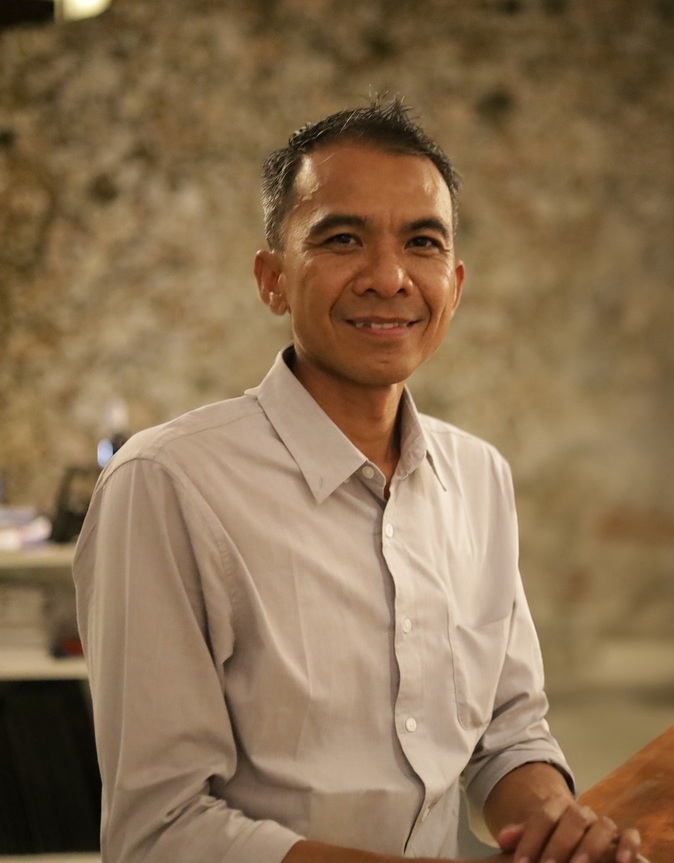
Q: How has your definition of luxury evolved in the past five years?
Five years ago, luxury was often synonymous with “perfection” and “exclusivity.” Today, my definition has shifted toward “purposeful connection.” It is no longer just about the marble in the villa or the thread count of the sheets; it is about how a stay makes a guest feel. Luxury now lives in the quiet, bespoke moments a private yoga on our cliffside or a curated meal that tells a story. We’ve moved from a culture of “having” to a culture of “being,” where time and emotional well-being are the ultimate currencies.
Q: How do you balance local cultural authenticity with global luxury standards?
At Karma Kandara, we view culture not as an “amenity,” but as our foundation. We balance this by ensuring the “hardware” meets world-class expectations, seamless technology, elite service, and comfort while the “software” is purely Balinese. We integrate local craftsmanship and traditional ceremonies into the guest experience without “disney-fying” them. True luxury guests are sophisticated; they don’t want a filtered version of Bali. They want the raw beauty of the Bukit Peninsula delivered with the grace and precision of international five-star hospitality.
Q: What innovations have you introduced that resonate most with modern travellers?
We have leaned heavily into holistic wellness rituals, most notably our new Japanese Head Spa. This 90-to-120-minute ritual is a profound evolution of the standard spa treatment, focusing on deep scalp detoxification, oil treatments, and steam. Modern travellers are increasingly seeking “functional relaxation” that addresses the physical tolls of high-stress lifestyles. By combining scalp analysis with therapeutic massage to improve circulation and alleviate tension, we provide a sophisticated, health-focused experience that resonates deeply with guests looking for both indulgence and tangible well-being.
Q: Looking ahead, what do you believe will define luxury hospitality in Asia over the next decade?
The next decade will be defined by “Regenerative Travel.” It goes beyond sustainability, it’s about leaving a destination better than we found it. In Asia, luxury will be judged by a resort’s social and environmental footprint. Guests will seek “Quiet Luxury” that honours heritage while embracing radical transparency. We will see a surge in demand for ultra-private, nature-centric sanctuaries where digital detoxing and spiritual rejuvenation are at the forefront. The leaders will be those who master the art of “high-tech, high-touch,” blending AI efficiency with the warmth of Asian hospitality.
Peter Ye
Resort Manager of The Anam Mui Ne
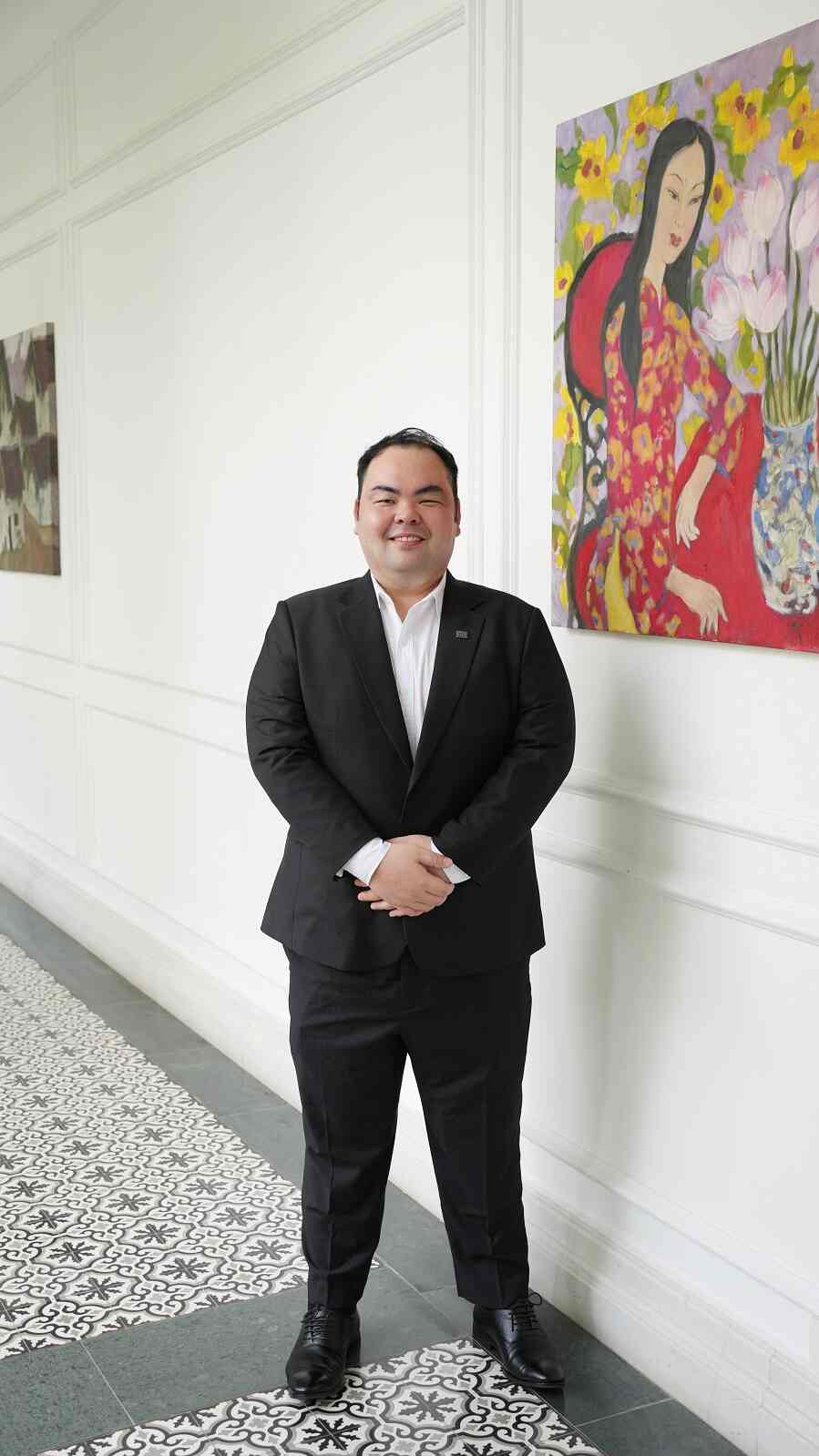
Q: How has your definition of luxury evolved in the past five years?
Over the past five years, I’ve come to see luxury less as something grand and more as something that feels right. It’s about being understood without having to ask, enjoying genuine moments, and having the space to truly relax. Guests today appreciate authenticity, privacy, and thoughtful details far more than excess. For me, real luxury is quiet, personal, and effortless—it’s not about showing off, but about how a place makes you feel long after you leave.
Q: How do you balance local cultural authenticity with global luxury standards?
For me, it’s about not overthinking it. You start with what’s real—local culture, the way people speak, the food, the small traditions—and keep that intact. Then you layer in the basics of great hospitality: consistency, comfort, attention to detail.
The goal isn’t to “blend” the two in a forced way, but to let the local character come through naturally, supported by a level of service guests can trust anywhere in the world. When it works, it just feels genuine and easy.
Q: What innovations have you introduced that resonate most with modern travellers?
At The Anam Mui Ne, we’ve introduced a simple QR code that lets guests connect with us through their preferred messaging app. It makes it easy to stay in touch throughout their visit—whether they’re asking for local recommendations or arranging a round of golf. Guests can communicate in their own language, which helps us respond clearly, accurately, and without any misunderstanding.
Q: Looking ahead, what do you believe will define luxury hospitality in Asia over the next decade?
I believe luxury hospitality in Asia will shift from being defined by visual grandeur to how a place makes guests feel. Today’s travellers are seeking authenticity—a genuine connection to the destination, its culture, and its people. Technology will remain important, but discreetly integrated to enhance convenience rather than dominate the experience. Ultimately, it is thoughtful service, a sense of calm, and respect for a guest’s time that will define true luxury. The most memorable destinations will feel personal, authentic, and effortlessly refined.

