

A Winter Culture of Taste in the Snowy Aizu
Snow falls thick and steady in Aizu, covering the valleys in silence and turning the hot spring towns into pockets of warmth. Beneath the steam of the baths, another tradition is quietly flourishing. Onsen gastronomy has become the way Aizu expresses its winter identity, weaving food, bathing, and landscape into a single cultural rhythm.
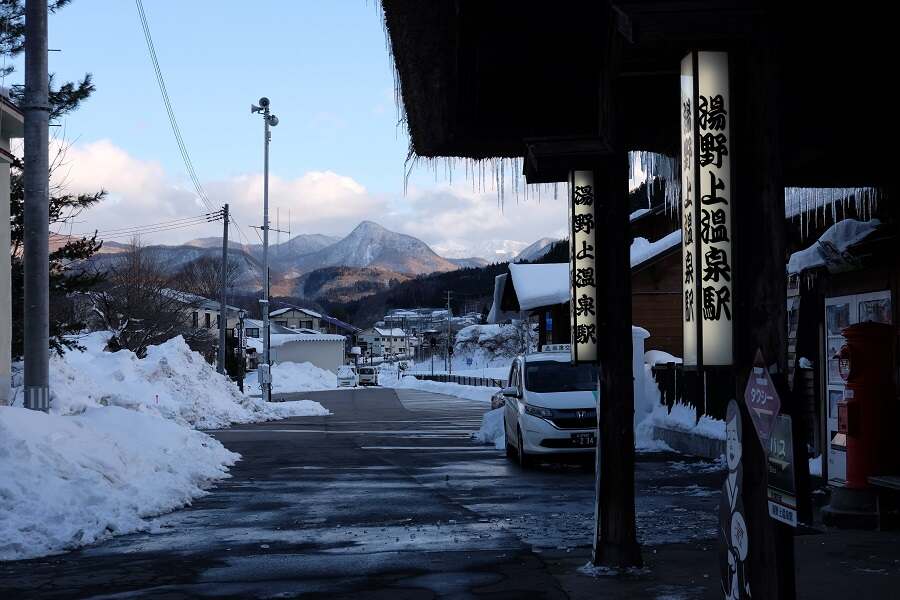
The heavy snow of Aizu is not just scenery. It slows life down, and in doing so, it shapes the food. Vegetables are stored in snow pits where they keep their crispness. Sake ferments in cellars chilled by natural cold, producing flavours that are sharper and more complex. Meals are built around patience, with mountain vegetables, handmade soba, and river fish grilled over miso paste forming the backbone of winter dining.
In Aizu, bathing and dining are inseparable. The hot spring prepares the body, softening the chill of the season, while the meal completes the experience. Multi‑course dinners are served in lacquerware that reflects the region’s craft traditions. Each dish is designed to echo the landscape outside — snow‑preserved roots, river fish, and miso that has matured through the cold months. The philosophy is harmony rather than spectacle, a balance between the warmth of the bath and the depth of the table.
Aizu’s embrace of onsen gastronomy is also a story of resilience. After the challenges of Fukushima in 2011, the region turned inward, strengthening its culinary and craft traditions. Breweries refined their techniques, kitchens leaned into local produce, and inns began presenting food as part of the cultural narrative rather than just hospitality. What emerged is a winter culture that feels authentic, rooted, and quietly confident.
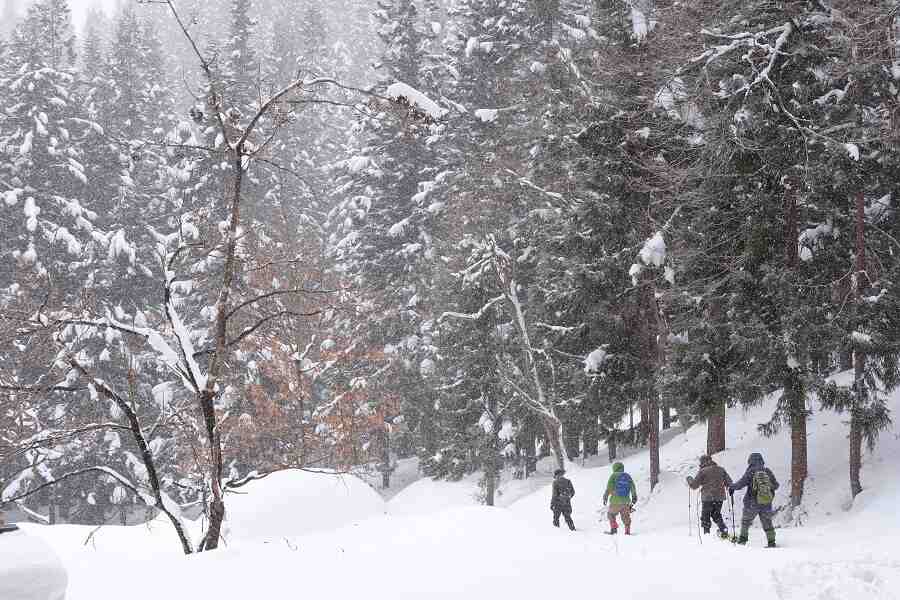
Unlike other destinations that chase mass visitors, Aizu has chosen intimacy. Experiences are curated for small groups, often beginning with snowshoe walks through villages, followed by hot spring bathing, and ending with meals that feel like conversations with the land. The approach is deliberate. It is not about abundance, but about precision. Every dish is a reflection of snow, water, and patience.
Onsen gastronomy in snowy Aizu is not a trend invented for visitors. It is a lived practice, shaped by the rhythm of winter and the traditions of the region. Food here is not separate from bathing or craft. It is part of the same cultural fabric, a way of telling the story of Aizu through taste. For travellers, it offers immersion rather than spectacle, a chance to experience how snow, water, and patience can become flavour.

