

GM Talk: Crafting the Identity of a Destination
Hotels are often perceived simply as places to rest one’s head, yet their role in shaping the narrative of a destination is far more profound. A hotel can act as a cultural lens, offering guests not only comfort and service but also a deeper understanding of the community and environment in which it resides. From the architecture that mirrors local traditions, to the cuisine that celebrates regional flavours, hotels have the power to tell stories that linger long after a guest has checked out.
In today’s travel landscape, where authenticity and connection are increasingly valued, the responsibility of hotels extends beyond hospitality. They become custodians of heritage, interpreters of culture, and ambassadors of place. A thoughtfully designed property can embody the spirit of its surroundings, weaving together history, sustainability, and modern luxury to create experiences that resonate with travellers.
In this edition of Leaders Talk, we sit down with General Managers who share their insights on how hotels contribute to the identity of a destination. Their perspectives reveal how the industry is evolving to ensure that every stay is not just a visit, but a chapter in the larger story of a place.
Jirarat Ninpradub
General Manager of Le Méridien Phuket Mai Khao Beach Resort
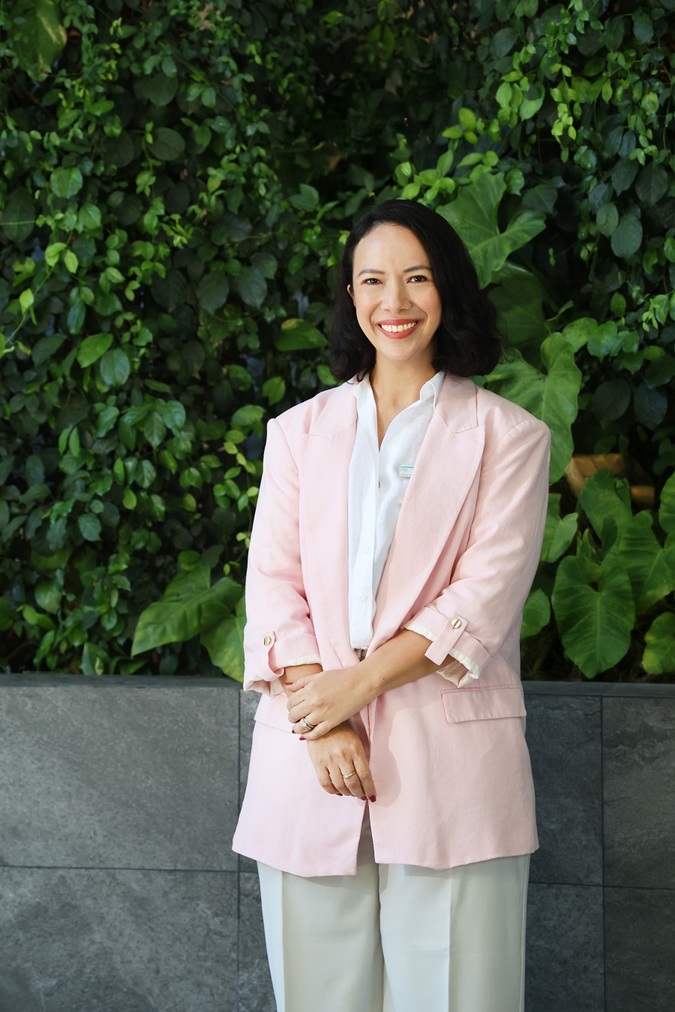
Q: In what ways does your property reflect the local culture, traditions, or heritage of the place?
Le Méridien Phuket Mai Khao Beach Resort reflects the unspoiled spirit of Mai Khao, one of Phuket’s most protected coastlines and home to some of the most exclusive Mai Khao beach hotels. Our open, nature-led design connects guests to the sea and tropical landscape, complemented by local art, Southern Thai cuisine, and ingredients sourced from nearby communities. As a five-star beach resort in Phuket, we engage guests through marine conservation, beach clean-ups, and community partnerships, offering authentic cultural experiences rooted in sustainability rather than staged traditions.
Q: How do you balance global luxury standards with authentic local experiences?
We define luxury through space, calm, and connection. While delivering the comfort and service expected from a global brand and luxury Phuket beach accommodation, our experiences are deeply rooted in Mai Khao. Locally inspired dining, beachfront wellness rituals, nature-based activities, and sustainability programs create a genuine sense of place. Our team acts as cultural ambassadors, sharing local knowledge and personal stories, ensuring guests enjoy both international standards and meaningful local experiences at our Phuket beach resort.
Q: What challenges do you face in keeping the hotel’s story authentic while appealing to international audiences?
The key challenge is preserving Mai Khao’s tranquil, nature-driven identity while meeting the expectations of international travellers seeking Phuket beach accommodation with modern comforts. We avoid over-commercializing local culture or compromising the environment for short-term appeal. Instead, we focus on thoughtful storytelling, education, and consistency, encouraging slow travel, sustainability, and respectful engagement. As one of the more secluded beach hotels near Phuket Airport, staying true to place remains central to our identity.
Q: Looking ahead, how do you envision your hotel continuing to evolve as a storyteller of its destination?
We see Le Méridien Phuket Mai Khao as a living storyteller shaped by sustainability, creativity, and community collaboration. By expanding partnerships with local artists, environmental organizations, and cultural practitioners, we aim to curate immersive, nature-led experiences across dining, wellness, weddings, and meetings in Phuket. As travel evolves, our role as a five-star Phuket beach resort is to protect Mai Khao’s essence while sharing its stories responsibly, ensuring every stay contributes positively to the destination’s future.
Herbert Laubichler-Pichler
Managing Director of Alma Resort Cam Ranh

Q: In what ways does your property reflect the local culture, traditions, or heritage of the place?
Bold and spacious, our independently owned and operated resort Alma is emblematic of Vietnam’s maturation as a destination. However, Alma remains deeply rooted in Vietnam’s rich and fascinating culture and heritage. The best way to a hotel to reflect the local culture is by offering guests a host of compelling experiences. Our new ‘Alma Discovery Camp’ is a recreation and educational facility designed to connect children with nature, farm animals and sustainable agriculture with interactive farm visits and a dedicated museum. We recently unveiled “The Stage – Alma Show” at Alma’s vast outdoor amphitheatre, a new theatrical spectacle celebrating Vietnam’s traditions and folklore with magicians, dancers, water puppetry, special effects, an Ao Dai fashion show and more. These are just two of many examples of how we immerse our guests in culturally enriching travel experiences.
Q: How do you balance global luxury standards with authentic local experiences?
We strive to balance global luxury standards with authentic local experiences by genuinely offering a sense of place that reflects and celebrates our resort’s incredible people and their potential to connect with our guests in meaningful ways. The key to achieving such a balance is exceptional hospitality that creates memorable experiences and genuine connections with guests, built on the foundation of an engaged, passionate and well-trained team. At Alma, we also blend world-class luxury with genuine Vietnamese experiences such as with our “Journey Through Culture and Cuisine” program with boutique travel agency Zazen Travel. This experience takes guests beyond our resort’s grounds to explore local markets and temples before returning for a hands-on cooking class.
Q: What challenges do you face in keeping the hotel’s story authentic while appealing to international audiences?
Rather than challenges, I would say there are exciting opportunities to showcase Vietnam’s culture to the world in ways that appeal to different international audiences. However, it’s imperative to stay true to Vietnam and to your hotel. You can achieve this by harnessing opportunities that a real and honest as part of writing new chapters of a hotel’s story, rather than trying to invent experiences just for invention’s sake. It’s paramount to constantly take in feedback from guests and your staff, and to stay abreast of the latest travel trends and opportunities. Alma offers guests, for example, the opportunity to dress up in traditional Ao Dai costumes for family photos, and this experience has proven to be particularly popular with our Korean guests.
Q: Looking ahead, how do you envision your hotel continuing to evolve as a storyteller of its destination?
Alma continues to evolve as a storyteller for our local Cam Ranh area by offering our guests emotional experiences they can draw upon to tell their own stories. To do this, we are constantly asking ourselves, “What can we do better? How can we enhance the guest experience?” This mind-set keeps us evolving and ensures we’re always offering something fresh and exciting to our guests. Storytelling experiences for our guests include our tree planting activity, where you leave your mark at our resort and we update you with photos of how your tree is progressing, and our handicraft workshops for the young and the young at heart, who take home a meaningful memento. Our ‘Mamas Cooking’ culinary experience, amid a local market atmosphere at Alma Food Court, serves an authentic slice of Vietnamese culture with centuries-old recipes handed down the generations.
Laurent Myter
Group General Manager of The Anam Group

Q: In what ways does your property reflect the local culture, traditions, or heritage of the place?
The Anam Cam Ranh immerses guests in Vietnam’s rich culture through its architectural design, featuring traditional elements like terracotta tiles and wooden embellishments. Our décor showcases locally sourced artwork and crafts, often available for purchase, allowing guests to bring home a piece of their experience. Our culinary offerings focus on regional dishes made with fresh ingredients, and we take pride in receiving compliments on the authenticity of our food at Lang Viet. Unique touches, such as locally made turndown chocolates and Kombucha in place of traditional sparkling wine, enhance the authentic Vietnamese experience that our guests appreciate.
Q: How do you balance global luxury standards with authentic local experiences?
We balance global luxury standards with authentic local experiences by offering genuine luxury that connects guests to the local culture. This is achieved through personalized service and exquisite, locally made amenities. We also provide enriching experiences such as traditional Vietnamese cooking classes, guided tours to local markets, and “Mama’s Cooking” where our staff’s mothers prepare meals for guests, alongside cultural performances. This approach ensures that guests enjoy both luxury and the authentic essence of local traditions, creating a truly memorable experience at The Anam Cam Ranh.
Q: What challenges do you face in keeping the hotel’s story authentic while appealing to international audiences?
One of the main challenges is finding the right balance between presenting locally-inspired narratives and catering to diverse international tastes and expectations. We aim to maintain authenticity without alienating guests unfamiliar with Vietnamese culture. Continuous training for our staff in cultural sensitivities and storytelling helps to bridge this gap, ensuring that every guest can appreciate the unique attributes of The Anam without feeling overwhelmed.
Q: Looking ahead, how do you envision your hotel continuing to evolve as a storyteller of its destination?
Looking ahead, we believe we have set the right trend by offering a unique alternative to cookie-cutter resorts, providing travellers with a genuine sense of place. We envision The Anam evolving into a living narrative of the local area, enhancing our storytelling through immersive experiences that reflect Vietnam’s dynamic culture and traditions. By collaborating with local historians and artists, we will host workshops and events that celebrate our heritage. Our goal is to engage guests in ongoing narratives that connect them with the community, ensuring every touch point reflects local cultural values and invites active participation in the story of our destination.
Ramon Imper
General Manager of TIA Wellness Resort

Q: In what ways does your property reflect the local culture, traditions, or heritage of the place?
Our original design was inspired by the nearby Imperial City of Hue. TIA is a contemporary interpretation that embodies the zen-like atmosphere of the UNESCO World Heritage Site. Serene spaces are a key element that extend beyond the architecture, with an interior design thread shaped by mindful practices such as mala bead meditation and calligraphy. Food is also a defining part of Vietnamese culture and classic Vietnamese dishes, including those local to our area, feature prominently on the menu in plant-based and traditional versions. We also ensure that our guests experience local culture through a wellness lens with tours created to immerse guests in local sites in a peaceful manner, such as Tai Chi at the Marble Mountains or meditation at Lady Buddha.
Q: How do you balance global luxury standards with authentic local experiences?
We ensure that all our offerings are to the highest possible luxury standards while also reflecting the local culture and values. Our frontline staff are certified under Vietnam’s 5-Star hospitality standards and guest service skill training is delivered by Swiss hospitality professionals. We also have monthly employee engagement activities, featuring both Vietnamese traditions and international themes, to encourage cultural appreciation, connection, and a positive workplace spirit that is felt by our guests.
Q: What challenges do you face in keeping the hotel’s story authentic while appealing to international audiences?
Our guests are looking for authentic local experiences as well as world-class wellness. Elements from our design through to our cuisine offer a sense of place, but we are more than just a Vietnamese resort. Our wellness offerings draw on practices from India to Japan, as well as Vietnam, and our nutritious menus includes many Western dishes, along with dishes from throughout the region. One challenge we’ve faced, that we’re happy to have, is that we’re finding that guests are staying longer and we also have a lot of repeat guests so we’ve expanded and updated our menus, including meal plans and restaurant menus.
Q: Looking ahead, how do you envision your hotel continuing to evolve as a storyteller of its destination?
Wellness and spirituality have long been part of Vietnamese culture. It is part of daily life here. At TIA we have never been about a quick fix. We want our guests to experience meaningful change that they take home with them and it becomes part of their everyday way of living. Beyond continuing to expand our wellness offerings we will also keep evolving our private retreats, which are bespoke wellness retreats tailored to each guest around a theme, as well as expanding the local sites and mindfulness practices that we share as excursions.
Ronald Espiridion
General Manager of Fusion Suites Sai Gon
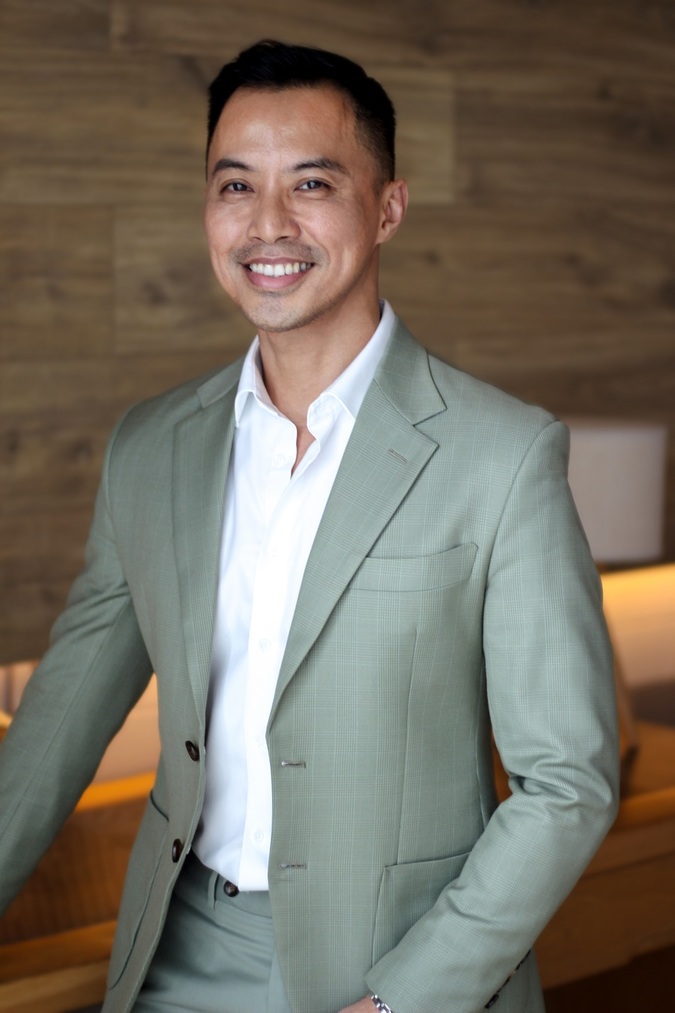
Q: In what ways does your property reflect the local culture, traditions, or heritage of the place?
Fusion Suites Sai Gon reflects Saigon’s balance of energy and tranquillity. Our design uses natural wood, warm tones and locally inspired photography that captures everyday Saigon life. The wall photos highlight the friendliness and generosity of original Saigonese, showing scenes of trading, connection and rest that define the city’s rhythm. Located on the quiet, tree-lined Suong Nguyet Anh Street, shaped during the French colonial era, the hotel offers a sense of calm within the city. Our intention is simple: to help guests feel Saigon, not just see it.
Q: How do you balance global luxury standards with authentic local experiences?
We provide the comfort and consistency international travellers expect while keeping Saigon’s character at the heart of every touch point. Our service style is down-to-earth, warm and attentive, yet still refined. It is never scripted. This approach is reflected in our lobby, which is designed to feel welcoming and lived-in rather than perfect. It represents our belief that being unique is better than being perfect. Just like Saigon, the experience is personal, relaxed and shaped by genuine Vietnamese warmth.
Q: What challenges do you face in keeping the hotel’s story authentic while appealing to international audiences?
Travellers arrive with different expectations. Some seek cultural depth, while others prioritise comfort and familiarity. The challenge is maintaining authenticity without overwhelming and offering ease without becoming generic. Saigon evolves quickly, and guest expectations evolve with it. What keeps us grounded is consistent feedback. Guests value peaceful spaces, heartfelt service and experiences that feel real. Staying true to these principles allows us to honour the city while remaining relevant to global travellers.
Q: Looking ahead, how do you envision your hotel continuing to evolve as a storyteller of its destination?
We plan to deepen our connection with Saigon through collaborations with local creators, wellness experiences inspired by Vietnamese traditions and curated neighbourhood stories. As the city grows, we want Fusion Suites Sai Gon to remain a gentle guide. It is a place where travellers slow down, breathe and understand the rhythm behind the skyline. Our goal remains simple: to help guests feel Saigon, not just visit it.
Renaud Tsorba
General Manager of Holiday Inn Kyoto Gojo
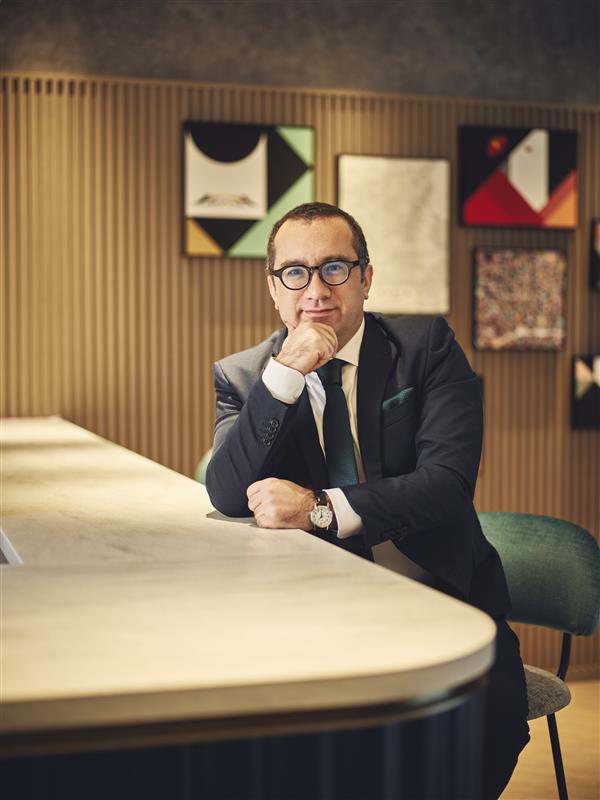
Q: In what ways does your property reflect the local culture, traditions, or heritage of the place?
You just need to enter the hotel! Jinrikisha on your left, you look at the ceiling, at our carpet. You know you are in Kyoto. With very little japanesque décor. The goal was not to make a ryokan or to have cheap items just “to look Japanese”. We are not to force people to get in Kyoto history. You have ryokans with hundred years of history for that.
So there are touches: the books in the lobby, our Mascot “Mochi” who gets outfits depending on the season (Xmas and very soon a Yukata for Sakura I am sure). Have a look at the fresque on the wall in our restaurant Bondo.
We blend in, like anyone as a local would do, by being ourselves. A bit Japanese and a bit international. I think we have a right balance.
Q: How do you balance global luxury standards with authentic local experiences?
Holiday Inn is a brand that everybody knows, that everybody loves because the brand talks to everyone. And because we have the chance of being known by everyone we need to have global standards. But not luxury standards, I have to manage guest expectations!
In Kyoto we are very lucky to have the Public Bath on the 13F. Free for guests, in the same building that you are staying in. You cannot be more local.
And once again, we balance by touches, breakfast menu if you feel like a continental breakfast day, go for it. If you want to get out of your comfort zone and try Kyoto dishes, you can too.
And in my opinion, Kyoto is like Paris or Cairo, step out of the hotel and you will find history on almost every block.
Q: What challenges do you face in keeping the hotel’s story authentic while appealing to international audiences?
Because Holiday Inn in Kyoto is the pioneer of foreign brands in town (the first HI outside the US was in Kyoto, back in 1973), we have no real challenge keeping the story authentic. Hotel was meant to be international and located in a traditional Kyoto. We were way ahead of our times! Everyone in Kyoto has memories with the old Holiday Inn. This is why our open lobby is a great asset as we are welcoming people from the outside to join us and enjoy some time in the hotel. We are also very close to the neighbours association. They are happy to see the hotel filled with guests, both domestic and international. It is important for us to be connected to our environment and welcome around 1 third of Japanese guests, students, seniors, group, individuals. That is also part of the experience for our international guests. They came to Japan, we want them to enjoy Japan as it is.
Gottfried Bogensperger
General Manager of Grand Hyatt Bali
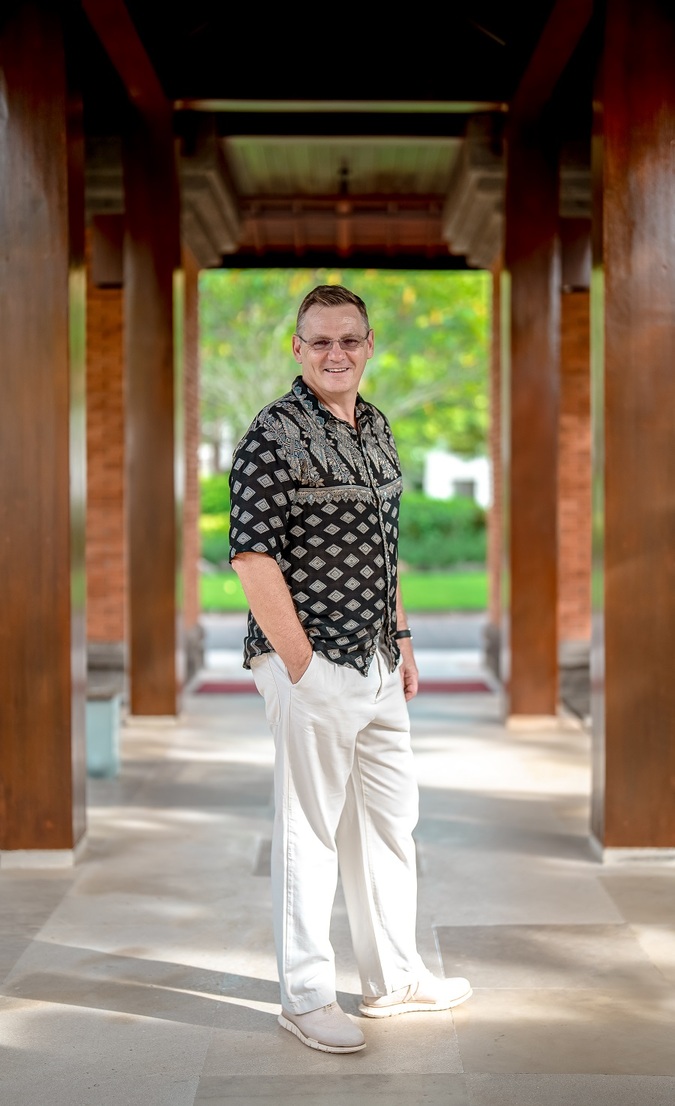
Q: In what ways does your property reflect the local culture, traditions, or heritage of the place?
Grand Hyatt Bali is designed as a Balinese water palace, surrounded by lush gardens and lagoons. Located on a pristine beachfront near Peninsula Island, the resort also reflects the history of Nusa Dua as a cultural and hospitality hub. Our architecture, art, and landscaping celebrate Bali’s heritage, while cultural experiences—such as temple ceremonies and authentic culinary offerings—immerse guests in local traditions. Every detail connects guests to the island’s spirit.
Q: How do you balance global luxury standards with authentic local experiences?
We seamlessly blend Hyatt’s global standards with the artistry and warmth of Bali. Dining is a true highlight—our signature Pasar Senggol brings local cuisine to life, complemented by traditional performances and collaborations with local artisan communities for authentic crafts. At Grand Hyatt Bali, true luxury is also defined by space. The resort stretches across 650 meters of Bali’s most coveted beachfront, flowing into expansive, manicured Balinese gardens. This rare and precious openness offers guests an unparalleled sense of freedom, privacy, and serenity. The sheer generosity of space is, in itself, a pure and timeless expression of luxury.
Q: What challenges do you face in keeping the hotel’s story authentic while appealing to international audiences?
The challenge is ensuring authenticity feels natural, not staged. Guests seek genuine experiences, so we engage deeply with the local community and empower associates as cultural ambassadors. At the same time, we adapt to diverse expectations through personalization, telling Bali’s story in a way that resonates globally without losing its soul.
Q: Looking ahead, how do you envision your hotel continuing to evolve as a storyteller of its destination?
We aim to deepen Bali’s narrative through innovation and sustainability. Plans include redeveloping dining outlets such as Garden Café to highlight regional cuisine and enhancing wellness spaces with holistic concepts rooted in Balinese philosophy. By blending cultural heritage with modern technology and environmental care, we ensure every guest leaves with a meaningful story of Bali.
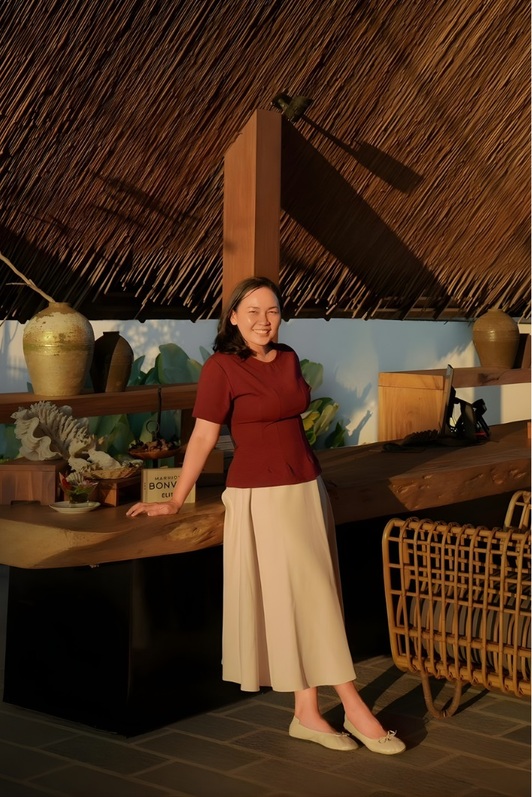
Ratna Wahyuni
General Manager of Sheraton Belitung Resort
Q: In what ways does your property reflect the local culture, traditions, or heritage of the place?
Sheraton Belitung Resort is deeply rooted in its location within the Tanjung Kelayang Reserve, part of the UNESCO Global Geopark. This setting defines our identity. Rather than imposing design on the landscape, the resort is shaped by it—through architecture that embraces openness, natural airflow, and harmony with the surrounding forest and coastline.
Local heritage is reflected in tangible ways: more than 80% of our construction materials are locally sourced; granite stones discovered on site were repurposed into elegant lobby flooring; and traditional renggadai wood—long used by local fishermen—forms our iconic lobby roof. Even our signature white brick walls tell a story of sustainability, created from locally made bricks once overlooked due to their natural kaolin composition.
Beyond design, heritage comes to life through experiences such as visits to local floating fish farms (Keramba), nature-based activities, and culinary journeys inspired by Belitung. These elements allow guests to engage with the island’s culture in a way that is authentic, respectful, and refined.
Q: How do you balance global luxury standards with authentic local experiences?
Our foundation is Sheraton’s global standard of luxury—spacious accommodations, intuitive service, and consistent quality under the Marriott International umbrella. From there, we layer experiences that are inseparable from Belitung’s natural environment.
Guests enjoy modern comfort within rooms designed for energy efficiency and environmental harmony, while outside they are invited to explore island hopping routes, snorkel in clear waters, relax on a private white-sand beach, or reconnect with nature within the resort’s lagoon and tropical gardens.
Sustainability plays a central role in this balance. From advanced water treatment systems that avoid groundwater extraction to climate-conscious landscaping that naturally cools the resort, luxury here is defined not by excess, but by responsibility and connection to place.
Q: What challenges do you face in keeping the hotel’s story authentic while appealing to international audiences?
Belitung’s strength lies in its subtlety—its calm landscapes, untouched ecosystems, and quiet sense of place. The challenge is introducing this understated beauty to international travellers without over-curating or commercializing it.
Operating within a protected nature reserve requires discipline and restraint. We must honour conservation guidelines while still delivering a seamless luxury experience. Our approach is to let nature lead the narrative. Instead of scripting the destination, we design experiences that allow guests to discover Belitung organically—through space, silence, and meaningful interaction with the environment.
Authenticity, for us, is not about spectacle, but about integrity.
Q: Looking ahead, how do you envision your hotel continuing to evolve as a storyteller of its destination?
As one of the first luxury resorts developed within the Tanjung Kelayang Special Economic Zone, Sheraton Belitung Resort carries a responsibility to set the tone for sustainable tourism on the island.
Looking ahead, we envision deepening our role as a storyteller by strengthening conservation-driven design, expanding nature-led guest experiences, and fostering closer collaboration with local communities. We aim to continue evolving as a benchmark for eco-luxury—where modern hospitality enhances, rather than compromises, the natural environment.
Our long-term vision is for Sheraton Belitung Resort to stand as a timeless ambassador of Belitung: a place where guests experience not only five-star comfort, but also a genuine understanding of the island’s beauty, balance, and future.
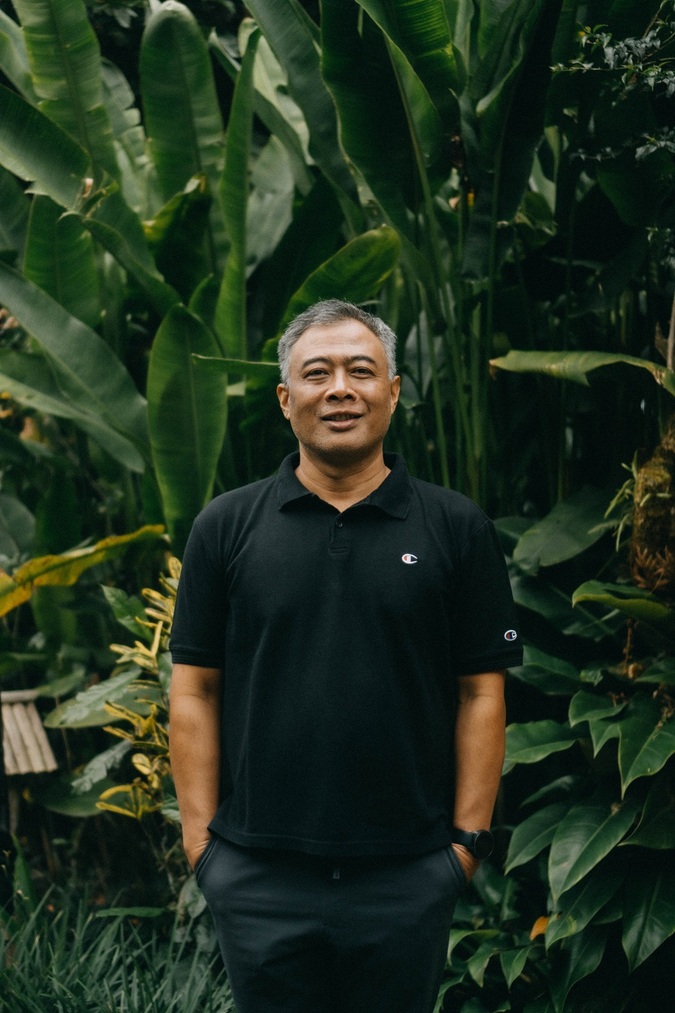
Gede Uliadnyana
General Manager of Munduk Moding Plantation Nature Resort
Q: In What ways does your property reflect the local culture, tradition, or heritage of the place?
Since the very beginning of Munduk Moding Plantation almost twenty years ago, respect for local culture has been one of our core philosophies. We believe that a meaningful stay comes from understanding the place and the people. Our guests are regularly invited to cultural events, and we actively share what is happening in the surrounding community. Through our daily guest experience program, guests have the opportunity to take part in activities designed to introduce Balinese culture and traditions such as learning traditional dances, learn to play Balinese Instrument (Gamelan), or even practicing simple local language phrases. In addition, all of our buildings are designed to reflect authentic Balinese architecture.
Q: How do you balance global luxury standards with authentic local experience?
For me, global luxury standards and authentic local experiences can go hand in hand. At Munduk Moding Plantation, we strive to deliver five-star service while staying true to the local culture that defines who we are. Our team is well trained and experienced in delivering high luxury standards, yet they are all local people. This allows us to naturally share authentic local experiences with our guests through genuine interactions, local knowledge, and heartfelt hospitality.
Q: What challenges do you face in keeping the hotel’s story authentic while appealing to international audience?
I believe a story must be genuine, otherwise, people will not believe in it. At Munduk Moding Plantation, we focus on being real rather than creating a fabricated story. We start with real actions within the hotel, how we operate, how we engage with the community, and how we treat our guests and these actions naturally become our story. The main challenge is that some international audiences may initially question whether the story is truly authentic. However, we believe consistency over time builds trust. When guests experience it themselves, the authenticity speaks for itself.
Q: Looking ahead, how do you envision your hotel continuing to evolves a storyteller of its destination?
Looking ahead, we will continue to stay true to the philosophy that has guided Munduk Moding Plantation since the very beginning. Our main guideline is Tri Hita Karana, a Balinese way of life that has been passed down from generation to generation. This philosophy emphasizes harmony between people, nature, and the spiritual world. We will continue to implement these values across all aspects of our operations from guest experiences and sustainability efforts to how we work with our team and local community.

