

Under the Glow of Matsuri
There is a certain magic to Japan in early summer. The air is warm but not yet heavy, the evenings stretch out invitingly, and towns across the country begin to stir with the sound of drums, laughter, and the glow of lanterns. This is matsuri season, when communities gather to celebrate tradition, spirituality, and sheer joy in ways that feel timeless yet alive.
A matsuri is more than a festival. It is a ritual of belonging. At its heart lies the local shrine, where Shinto deities are honoured with processions, offerings, and prayers. Yet what unfolds around these sacred moments is a carnival of colour and energy. Streets fill with food stalls selling yakitori skewers, takoyaki sizzling on hot plates, and kakigori shaved ice piled high with syrup. Children dart between the crowds clutching paper fans, while elders watch from the sidelines with quiet pride.
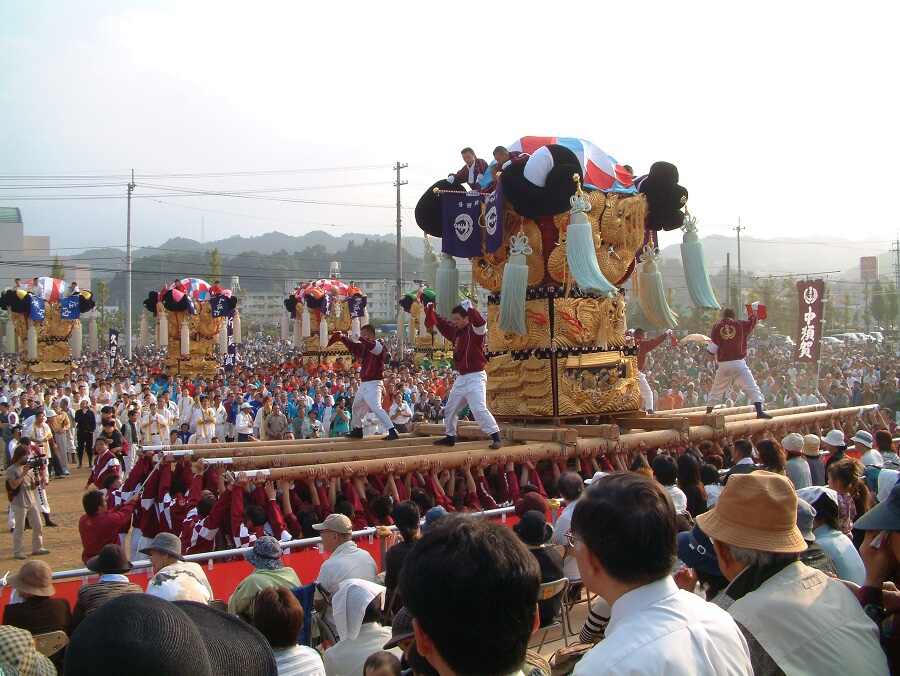
The soundscape is unforgettable. Taiko drums thunder through the night, their rhythms echoing against the summer sky. Flutes and chants weave into the beat, creating a pulse that seems to carry the entire town. Dancers in yukata move with practiced grace, their steps passed down through generations. It is not performance for outsiders but a living tradition, a way for communities to connect with their past while celebrating the present.
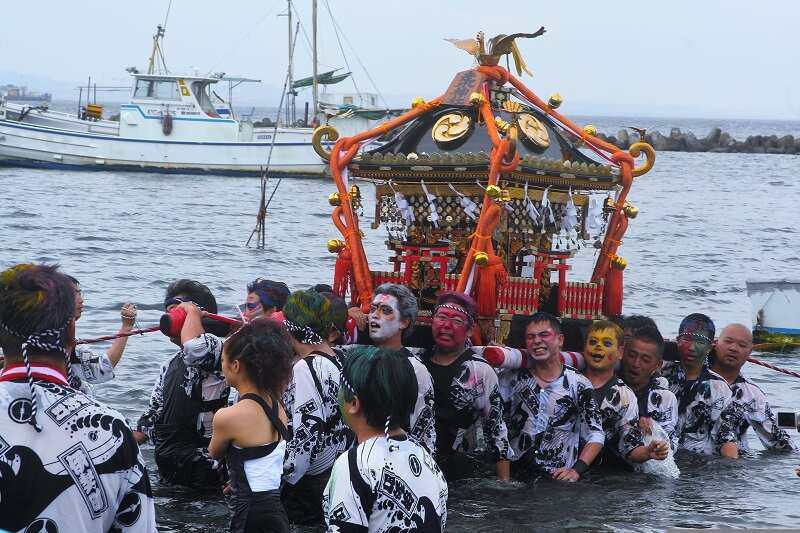
One of the most striking sights is the mikoshi, portable shrines carried through the streets by teams of locals. They sway and jolt as the bearers shout encouragement, the weight shared as a symbol of devotion. Watching a mikoshi procession is to witness both faith and camaraderie, a reminder that matsuri are as much about people as they are about ritual.
For travellers, joining a matsuri is a chance to step into the rhythm of Japanese life. There is no need to understand every detail of the ceremony. Simply being there, tasting the food, clapping along with the music, and soaking in the atmosphere is enough to feel part of something bigger. It is a rare moment when the line between visitor and local blurs, replaced by shared enjoyment.
Each region has its own flavour of matsuri. In Kyoto, the Gion Festival fills the streets with towering floats and centuries of history. In Aomori, the Nebuta Festival lights up the night with enormous illuminated figures. Smaller towns host their own versions, often just as captivating, with intimate gatherings that reveal the heart of community life.
What makes matsuri so enduring is their ability to balance reverence with revelry. They honour the gods, the ancestors, and the cycles of nature, but they also celebrate human connection. In a world that often feels rushed and fragmented, matsuri remind us of the joy of gathering, of sharing food, music, and laughter under the summer sky.
As June unfolds, Japan’s festival spirit rises with the season. To wander into a matsuri is to discover not just a cultural event but a living heartbeat of the nation. It is a treasure of tradition, carried forward by the people who dance, drum, and celebrate together year after year.

