

A Journey Through Ilocos: Sand, Stone and Stories
Exploring Ilocos is one of those trips that makes you wonder why more people do not venture north when they visit the Philippines. The region, split into Ilocos Norte and Ilocos Sur, is a treasure chest of culture, history and landscapes that feel both dramatic and timeless. It is not just about ticking off landmarks; it is about stepping into a living story where Spanish colonial streets meet futuristic wind farms, where rock formations look sculpted by gods, and where traditions like weaving are still practised with pride. For anyone who loves history, adventure and a touch of romance, Ilocos is a journey that deserves a place on your list.
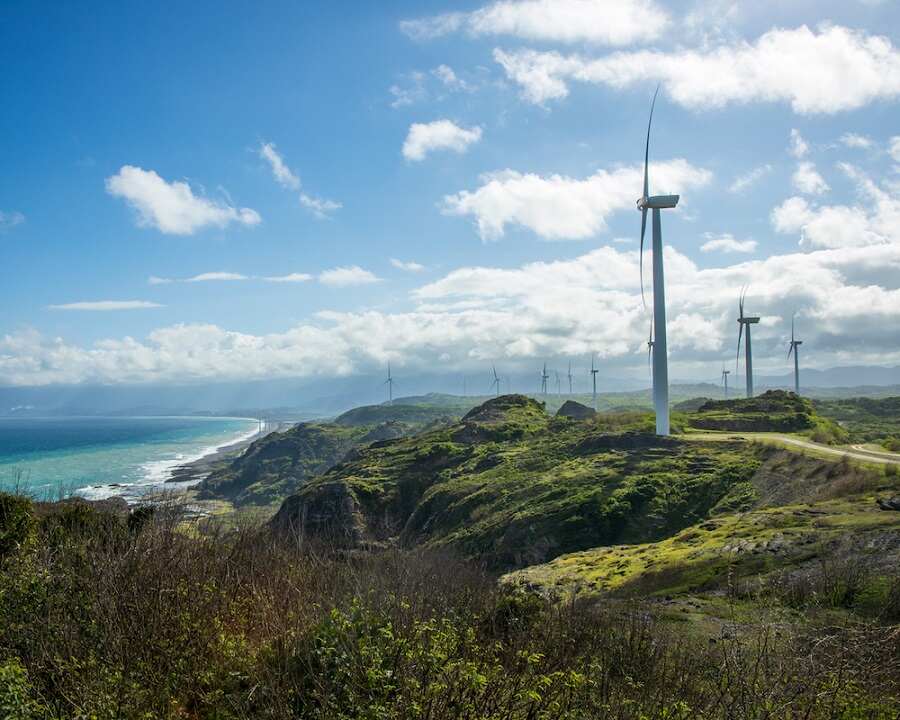
My own adventure began at Bangui Wind Farm, a surreal sight along the coast of Ilocos Norte. Imagine standing on a beach with the South China Sea stretching endlessly before you, and behind you a line of towering white turbines spinning gracefully in the wind. It feels futuristic, yet oddly poetic, as if technology and nature have struck a perfect balance. The sound of the waves mixes with the hum of the blades, and you cannot help but feel small but inspired. For travellers, it is not just a photo stop; it is a reminder of how innovation can sit beautifully in a natural landscape.
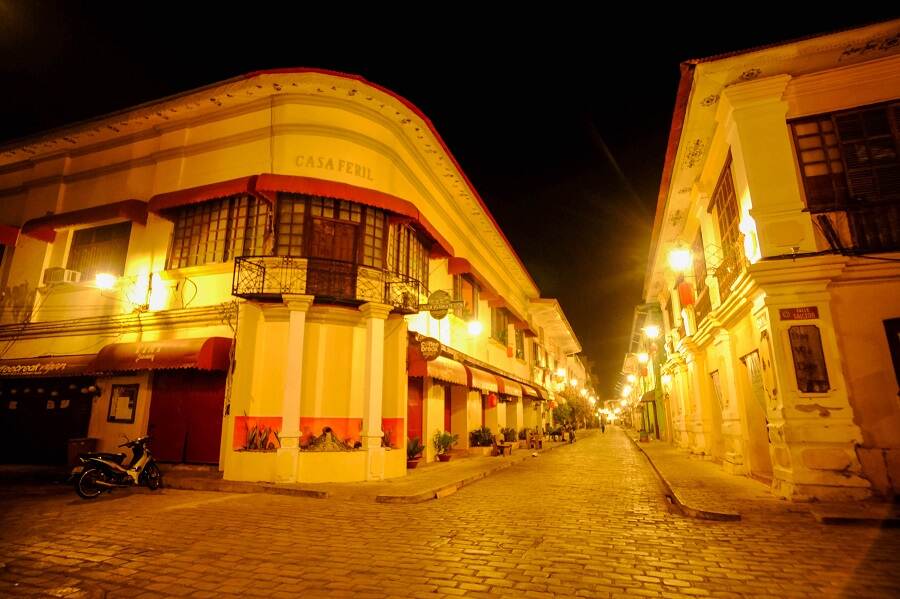
From the modern to the historic, I wandered into Vigan’s Calle Crisologo. This street is the beating heart of Ilocos Sur, and walking down its cobblestones is like slipping into another century. The Spanish colonial houses lean in close, their wooden balconies and capiz shell windows whispering stories of merchants and mestizo families. Horse‑drawn calesas clip‑clop past souvenir shops, and at night lanterns glow, turning the street into a romantic film set. It is not just pretty façades either. Museums tucked inside these houses tell tales of politics, revolution and everyday life. Calle Crisologo is where history feels alive, and where you can taste it too, with empanadas and longganisa sold on the street corners.
Heading back north, I found myself at Kapurpurawan Rock Formation, a natural wonder sculpted by wind and sea. The rocks are stark white, rising out of the coastline like frozen waves or abstract sculptures. Walking across them feels otherworldly, as if you have stumbled into a set designed for a fantasy film. The name comes from “puraw,” meaning white in the local dialect, and the formations glow brilliantly under the sun. Standing there, with the ocean crashing nearby, you realise how nature has been carving art long before humans thought to do so. It is a place that makes you pause, breathe, and marvel at the patience of time.
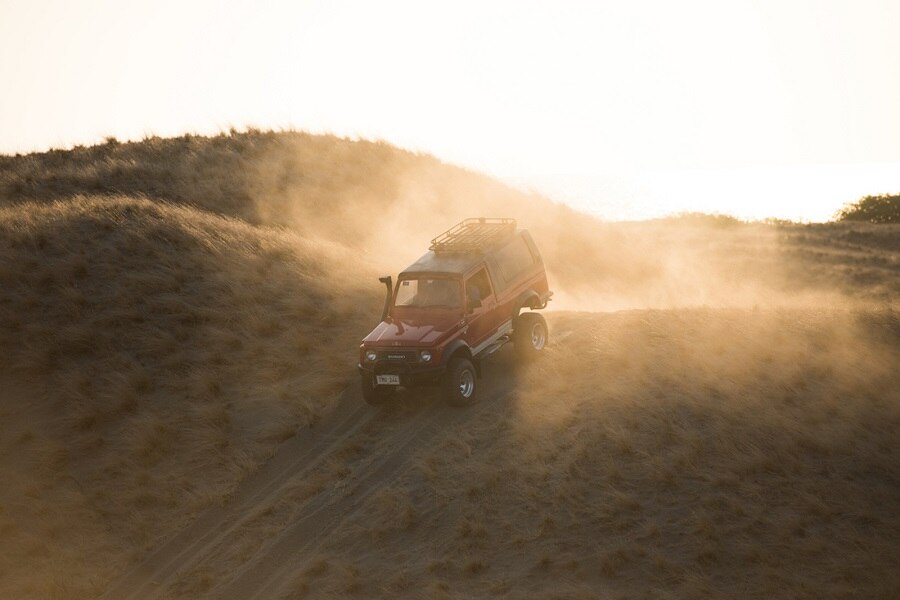
For a change of pace, I headed to the Paoay Sand Dunes. Here the landscape flips again, from lush coastlines to rolling desert. The dunes stretch wide, golden and dramatic, and the best way to experience them is to hop on a 4×4 and let loose. The ride is bumpy, thrilling, and leaves you laughing as the vehicle skids down steep slopes. For the more daring, sandboarding is on offer, sliding down the dunes with the wind in your hair. Yet beyond the adrenaline, the dunes carry history too. They were once used as training grounds during World War II and later became film locations. Standing on the crest of a dune, you feel both the thrill of adventure and the weight of stories buried in the sand.
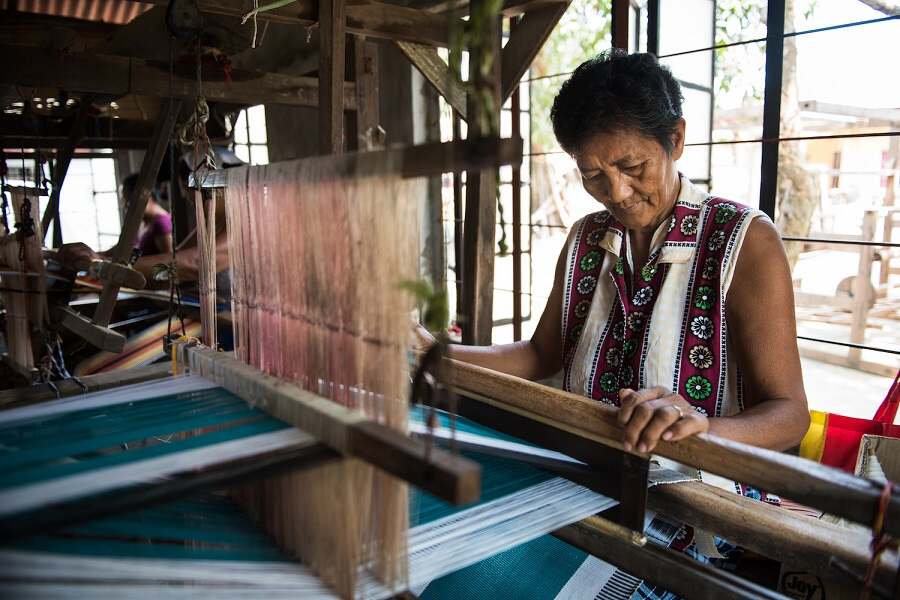
Back in Vigan, I discovered another treasure: weaving. The abel cloth, woven on traditional looms, is a craft that has survived centuries. Watching the weavers at work is mesmerising. Their hands move quickly, rhythmically, creating patterns that are both intricate and bold. Each piece of cloth carries heritage, telling stories through colour and design. Buying abel is not just shopping; it is supporting a tradition that has been passed down through generations. It is proof that history is not only in buildings and monuments but in the skills and artistry of people who keep culture alive every day.
What struck me most about Ilocos was the way it blends contrasts. Wind turbines and colonial streets, white rock formations and golden dunes, ancient weaving and modern adventure — all of it sits side by side, creating a journey that feels layered and rich. It is a region that rewards curiosity, where every stop adds another chapter to the story.
 By Kurtis Lee