

How Bali’s Helicopter Operators Are Navigating Tourism Growth, Sustainability, and Global Travel Trends
Bali’s skies are fast becoming part of the island’s allure. With visitor numbers climbing and the travel scene shifting, helicopter operators are finding themselves right in the thick of it — juggling luxury, sustainability and the ever-changing moods of global tourism. From eco-conscious travellers to digital nomads chasing unique experiences, the demand is evolving. Add in the chatter around climate action and world affairs, and the role of helicopter tours feels more relevant than ever. We sat down with the leaders of helicopter operator in Bali to hear how Bali’s operators are steering through this lively, unpredictable landscape.
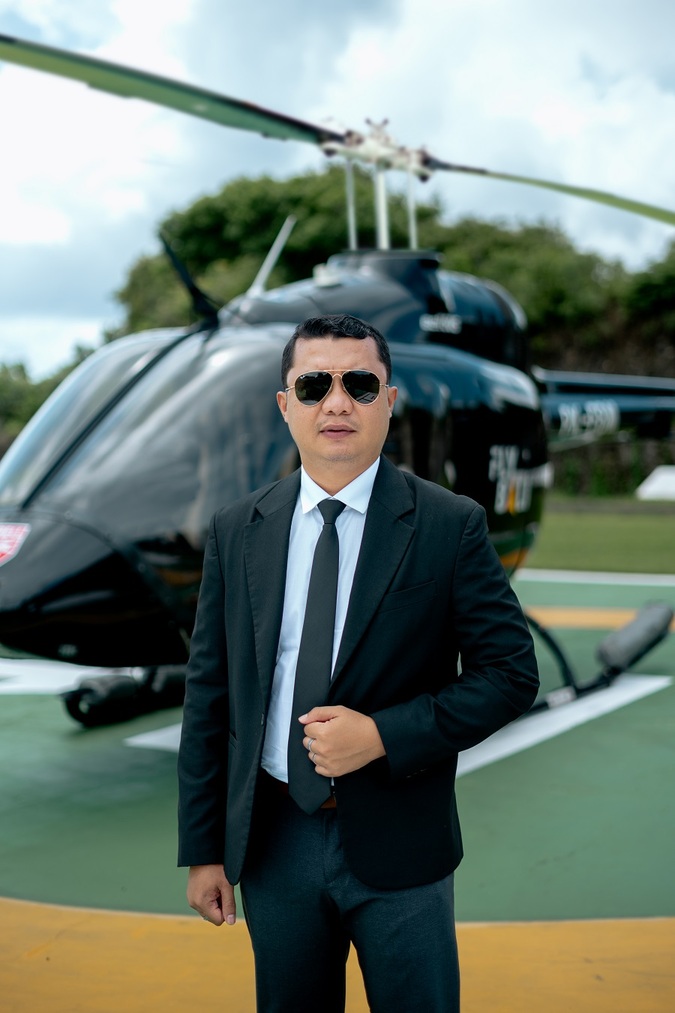
Harriko Fesfusi
Founder & Director of Fly Bali
Q: Sustainability is now front and centre in global travel. What steps are you taking to reduce the environmental footprint of helicopter operations while still offering luxury?
At Fly Bali, sustainability and luxury must go hand in hand. We operate modern, fuel-efficient helicopters and apply optimized flight routing to reduce unnecessary fuel burn. Preventive maintenance ensures every aircraft performs at peak efficiency. Beyond operations, we limit flight frequency over sensitive areas and prioritize responsible tourism routes. Luxury today is not about excess, but about meaningful experiences delivered responsibly — where guests enjoy Bali’s beauty while knowing their journey respects the environment.
Q: How do you work with local villages and communities to ensure helicopter tours bring benefits rather than disruption?
We work closely with local authorities and village leaders before operating in any area. Community engagement is essential — from respecting ceremonial schedules to ensuring flight paths avoid disruption. Whenever possible, we involve local communities through employment, partnerships, and social initiatives. Our goal is for helicopter tourism to create pride and opportunity, not distance. When communities see direct benefits, helicopter tourism becomes a shared value rather than an external activity.
Q: Beyond tourism, have you explored ways helicopters can support local communities; for example, in emergencies or conservation projects?
Absolutely. Helicopters have a vital role beyond tourism. Fly Bali has supported disaster response, humanitarian logistics, and medical evacuations when needed. We also collaborate with organizations on conservation and social projects, particularly in remote regions where access is limited. For us, aviation is not only a business but a responsibility. When helicopters can help save time, lives, or support meaningful causes, we believe they should be used for the greater good.
Q: Looking ahead, what role do you see helicopter services playing in positioning Bali as a world-class destination, not just for leisure but also for cultural and eco-tourism experiences?
Helicopter services will become a gateway to deeper, more responsible travel. Beyond iconic views, helicopters can connect travellers to remote cultural sites, conservation areas, and lesser-known regions — without mass infrastructure. This allows Bali to grow sustainably while preserving its soul. I see helicopters as enablers of curated, low-impact tourism experiences that highlight culture, nature, and authenticity. When managed responsibly, helicopter tourism elevates Bali’s global positioning as a world-class destination with purpose.

