

Armour and Honour: Stepping Into the World of the Samurai
Kyoto, with its temples, lantern‑lit lanes and centuries of tradition, is the perfect backdrop for a museum dedicated to Japan’s legendary warriors. The Samurai Museum in Kyoto is not your typical hushed gallery of glass cases. It is a place where history breathes, where armour gleams under soft light, and where visitors are invited to step into the shoes of the samurai themselves.
The story begins long before you walk through the museum doors. The samurai were the military elite of Japan, rising to prominence during the country’s feudal era. For centuries they served as protectors of their lords, guided by the strict code of bushidō – the way of the warrior. Honour, loyalty and discipline were not just ideals but daily practice. By the Edo period, the samurai had become symbols of authority and culture, shaping politics, art and philosophy. Their influence still lingers in Japanese identity today.
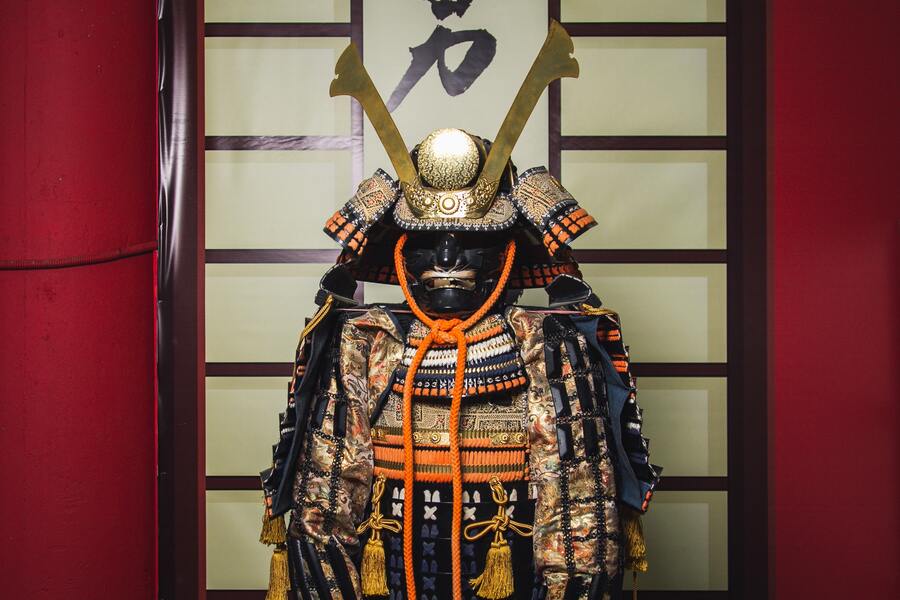
Inside the museum, this history is laid out in vivid detail. Authentic suits of armour, some dating back over 300 years, stand proudly on display. Each piece tells a story: lacquered helmets adorned with fearsome crests, breastplates polished to a mirror finish, and weapons that were as much works of art as tools of war. Unlike many museums, here you are encouraged to get close, to see the craftsmanship up close, and to appreciate the skill that went into forging these treasures.
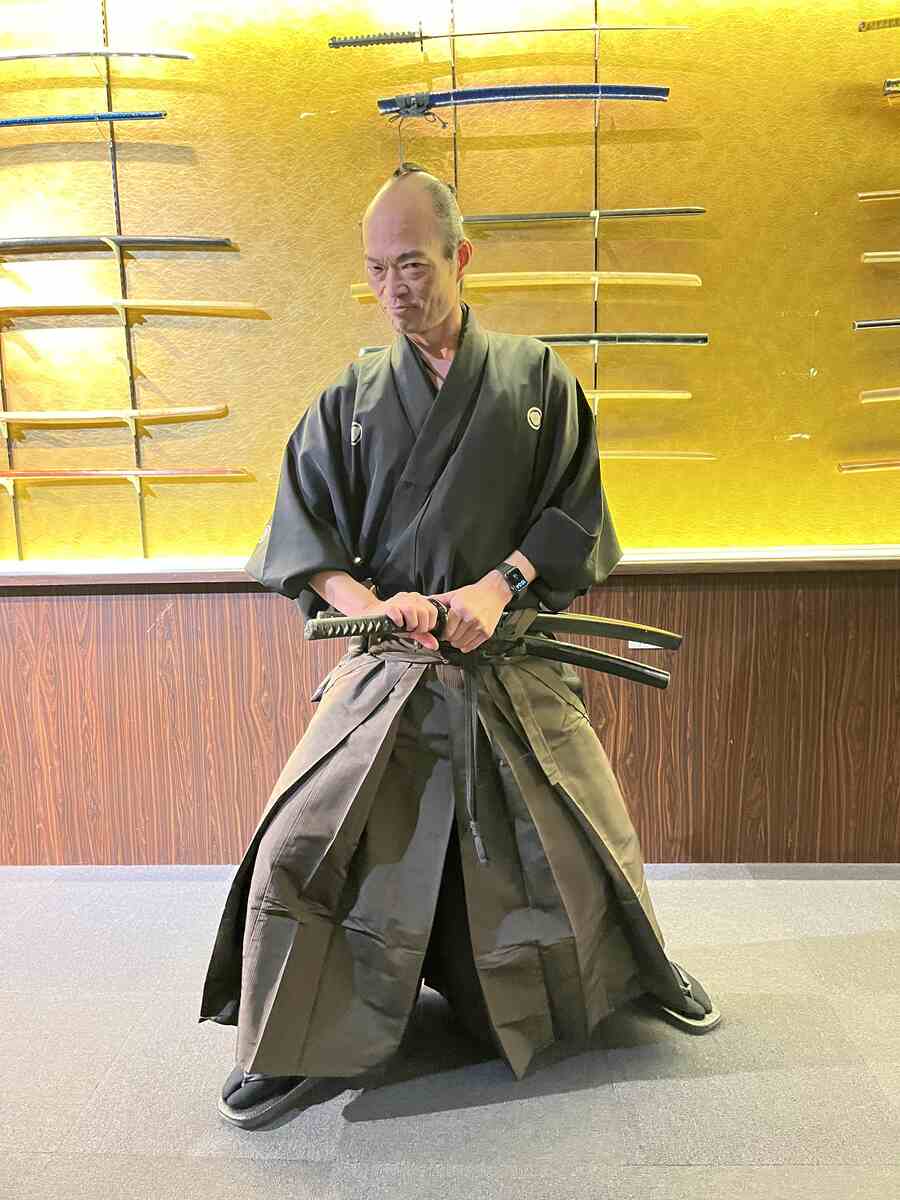
But what truly sets the Samurai Museum apart is the experience. Visitors are not passive observers; they are participants. You can don a full set of replica armour, feel the weight of the helmet and imagine the life of a warrior preparing for battle. Sword demonstrations bring the martial arts of the samurai to life, with trained instructors showing the precision and grace behind each strike.
The atmosphere is welcoming, not intimidating. Families, history buffs and curious travellers alike find themselves swept up in the drama of it all. Children marvel at the armour, while adults often pause to reflect on the philosophy that underpinned the samurai way. It is a reminder that these warriors were not only fighters but also poets, calligraphers and thinkers.
Perhaps the most memorable part of the visit is the sense of connection. Standing in Kyoto, a city once central to samurai politics and culture, you realise that these warriors walked the same streets only a few centuries ago. The museum bridges past and present, allowing you to experience history not as something distant but as something tangible, immediate and alive.
By the time you leave, you carry a story – of discipline, artistry and courage – and a deeper appreciation of how the samurai helped shape Japan.
Samurai Ninja Museum Kyoto
Address: 109, Horinoue-cho, Nakagyo-ku, Kyoto, Japan
Website: www.mai-ko.com/samurai

